 Business License

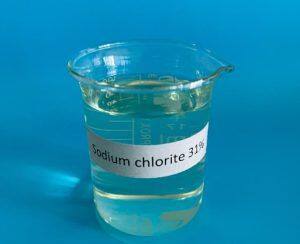
How is Sodium Chlorite 31% Used in Swimming Pools?
Sodium chlorite (NaClO₂) is a strong oxidizing agent, and a 31% concentration solution is commonly used in pool water treatment, mainly as a disinfectant or auxiliary oxidizing agent. The following are its specific application methods and precautions:
1. Principle of action
Oxidation disinfection: Sodium chlorite decomposes in water to produce chlorine dioxide (ClO₂), which can effectively kill bacteria, viruses, algae, and even degrade organic pollutants (such as urea and ammonia nitrogen).
Chlorine-free byproducts: Unlike chlorine-containing disinfectants (such as sodium hypochlorite), the sodium chlorite disinfection process does not produce carcinogenic trihalomethanes (THMs) and is suitable for chlorine-sensitive scenarios.
2. Usage method
(1) Direct addition
After dilution: Dilute 31% of sodium chlorite solution proportionally (usually 1:10 to 1:100), slowly pour into the water inlet of the pool circulation system or evenly sprinkle in the pool.
Dosage calculation:
Generally, the initial dosage is 0.5 to 2 ppm (mg/L) (measured in available chlorine, which needs to be adjusted according to water quality).
For example: 1000 tons of water swimming pool, need to add 31% sodium chlorite about 1.6~6.5 kg (specific need to be converted according to the target concentration and purity).
(2) Use after activation
With acid activator: Sodium chlorite needs to be converted to chlorine dioxide under acidic conditions (pH 2.5~3.5). Common activators:
Citric acid or hydrochloric acid: Mix in a 1:1 ratio of sodium chlorite mass, leave for 10 minutes to activate and then add.
Note: The activation process releases toxic gases and should be operated in a ventilated place.
(3) Continuous maintenance
The diluted solution is continuously injected into the circulating system through an automatic dosing pump to maintain the residual chlorine dioxide concentration of 0.1 to 0.5 ppm.
3. Precautions
pH control: The optimal pH range is 6.5~7.5, which needs to be adjusted with sodium carbonate or sulfuric acid.
Avoid mixed hazards:
It is strictly prohibited to mix with strong acids (such as concentrated hydrochloric acid) directly, which may cause violent reactions and even explosions.
Do not mix with chlorine-containing disinfectants (such as bleach powder), it will produce toxic chlorine gas.
Safety protection: Wear gloves and goggles during operation to avoid contact with skin or inhalation of gas.
Residue monitoring: Regular detection of chlorine dioxide residue, exceeding the limit (> 0.5ppm) may irritate the skin and mucosa.
4: Pros and cons
Pros:
High bactericidal efficiency, especially against chlorine-resistant pathogens such as cryptosporidium.
No chlorine odor, improve pool air quality.
Cons:
The cost is high, and the dosage needs to be precisely controlled.
The activation procedure is complex, and improper operation has security risks.
5. Synergies with other agents
Combined with ozone or ultraviolet: can reduce the amount of sodium chlorite, improve the disinfection effect.
In combination with sustained-release chlorine preparations, such as trichloroisocyanuric acid for long-term maintenance disinfection.
Sum up
31% sodium chlorite is suitable for swimming pools with high water quality requirements, chlorine sensitivity or large organic load, but safe operating procedures must be strictly followed. It is recommended to test on a small scale first and consult a professional water treatment company to develop a detailed plan.
If you would like to learn more about sodium chlorite, please click the following link.
https://www.hoochemtec.com/disinfectant-water-treatment/sodium-chlorite/
Recently Posted
-
Why Glutaraldehyde Remains the Global "Gold Standard" in 2026
March 2, 2026In the rapidly evolving landscape of 2026, where global biosecurity and industrial hygiene have moved from peripheral concerns to Read More
 -
Hydrazine Hydrate: A Powerful Yet Potent Industrial Workhorse
March 2, 2026IntroductionIn the world of industrial chemistry, few compounds are as versatile and as demanding of respect as hydrazine hydrate. Read More
 -
Troubleshooting Common Nitrilotriacetic Acid Problems
February 26, 2026Nitrilotriacetic Acid (NTA) is a powerful chelating agent widely used to control metal ions in detergents, industrial cleaning, water treatment, and electroplating. However, users may sometimes face challenges such as persistent scaling, hazy solutions, or changes in product viscosity even when using NTA.This guide provides clear, actionable solutions to these common issues, helping you ensure NTA performs effectively and relRead More -
Industry Alert: Navigating China’s 2026 Phosphate Export Tax Changes
February 3, 2026Starting April 1, 2026, China will eliminate the VAT export tax rebate for specific organic phosphorus chemicals and inorganic pho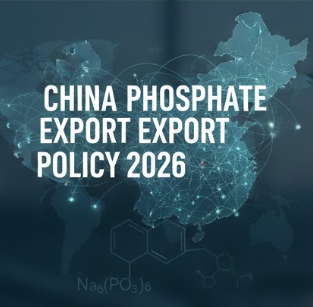 Read More

Contact Us
Recommended Products
-
 Surfactant Coconut Monoethanol Amide(CMEA)-HOOCHEMTECNegotiableMOQ: 10 Tons
 -
Surfactant Sodium Alpha-olefin Sulfonate (AOS) Powder-HOO CHEMTECNegotiableMOQ: 1 Ton
-
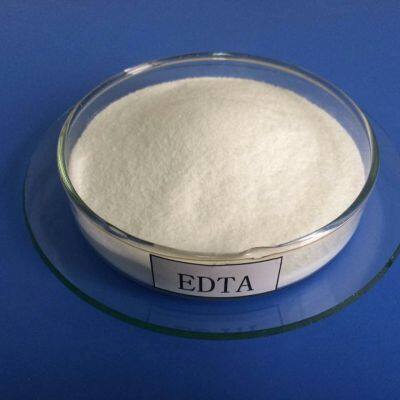
Chelating Agent Ethylenediaminetetraacetic Acid (EDTA) -HOOCHEMTECNegotiableMOQ: 10 Tons
-
Surfactant Dimethylaminopropylamine (DMAPA) Flake-HOOCHEMTECNegotiableMOQ: 10 Tons
-
Effective Coagulant Aluminum Chlorohydrate (ACH) -HOOCHEMTECNegotiableMOQ: 10 Tons
-
Snow Melting Potassium Acetate -HOOCHEMTECNegotiableMOQ: 10 Tons
-
Hot Sell Corrosion Inhibitor 1,2,3-Benzotriazole /BTA-HOOCHEMTECUS$ 1MOQ: 1 Ton
-
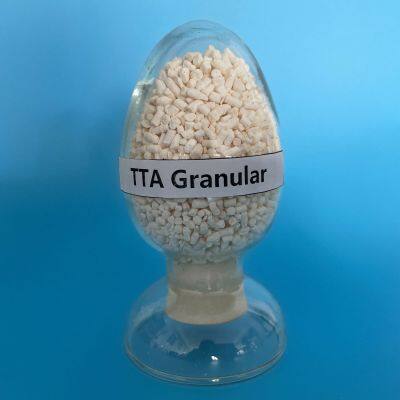
Hot Sell Corrosion Inhibitor TTA/Tolyltriazole Granular -HOOCHEMTECUS$ 1MOQ: 1 Ton
-
Snow Melting Calcium Chloride Flake/beads-HOOCHEMTECUS$ 1MOQ: 1 Ton
-
Snow Melting Snow Melting Graular-HOOCHEMTECUS$ 1MOQ: 1 Ton
-
Water-soluble Polymer Polyethylene Oxide /PEO-HOOCHEMTECUS$ 1MOQ: 1 Ton
-
Natural Thickening and Gelling Agent Sodium Alginate Food Grade /iindustry Grade-HOOCHEMTECUS$ 1MOQ: 1 Ton
-
Anionic Surfactant Sodium Lauryl Sulfates/SLS NEEDLE 95%-HOOCHEMTECUS$ 1MOQ: 1 Ton
-
Anionic Surfactant Sodium Lauryl Ether Sulphate/SLES 70%-HOOCHEMTECUS$ 1MOQ: 1 Metric Ton
-
Isothiazolinone CMIT MITNegotiableMOQ: 1 Metric Ton

-
Hot Sell Absorbent and Desiccant Activated Clay-HOOCHEMTECUS$ 1MOQ: 1 Metric Ton
-
Xanthan GumNegotiableMOQ: 1 Metric Ton
-
Hot Sell Absorbent and Desiccant Silica Gel White/orange/blue-HOOCHEMTECUS$ 1MOQ: 1 Metric Ton
-
Sodium Molybdate Export-HOOCHEMTECNegotiableMOQ: 1 Metric Ton
-
PBTCA/2-Phosphonobutane-1,2,4-Tricarboxylic AcidNegotiableMOQ: 1 Metric Ton