 Business License

Why Glutaraldehyde Remains the Global "Gold Standard" in 2026
In the rapidly evolving landscape of 2026, where global biosecurity and industrial hygiene have moved from peripheral concerns to core strategic priorities, one molecule continues to anchor the world’s disinfection protocols: Glutaraldehyde (C5H8O2).
Despite the emergence of alternative oxidative technologies, Glutaraldehyde remains the "Gold Standard" for high-level disinfection (HLD) and industrial microbial control. From the advanced surgical suites of North America to the sprawling industrial water systems of India and the massive livestock farms of South America, this versatile biocide is the invisible shield protecting global infrastructure.
1. The Chemistry of Stability: Understanding C5H82
At its core, Glutaraldehyde is a linear five-carbon dialdehyde. In its commercial state—most commonly found as a 25% or 50% solution—it is a colorless, oily liquid with a distinctive sharp odor.
What sets it apart is its unique chemical stability. Unlike volatile oxidizers that break down rapidly under environmental stress, Glutaraldehyde maintains its potency across a range of temperatures and storage conditions. In 2026, as supply chains face increasing climate-related pressures, the shelf-life and reliability of Glutaraldehyde 50% concentrates make it the logistically superior choice for international distribution.
2. The Kill Mechanism: Molecular Warfare
The true power of Glutaraldehyde lies in its Glutaraldehyde mechanism—a process known as protein cross-linking.
While many disinfectants merely damage the cell membrane, Glutaraldehyde wage a total war at the molecular level:
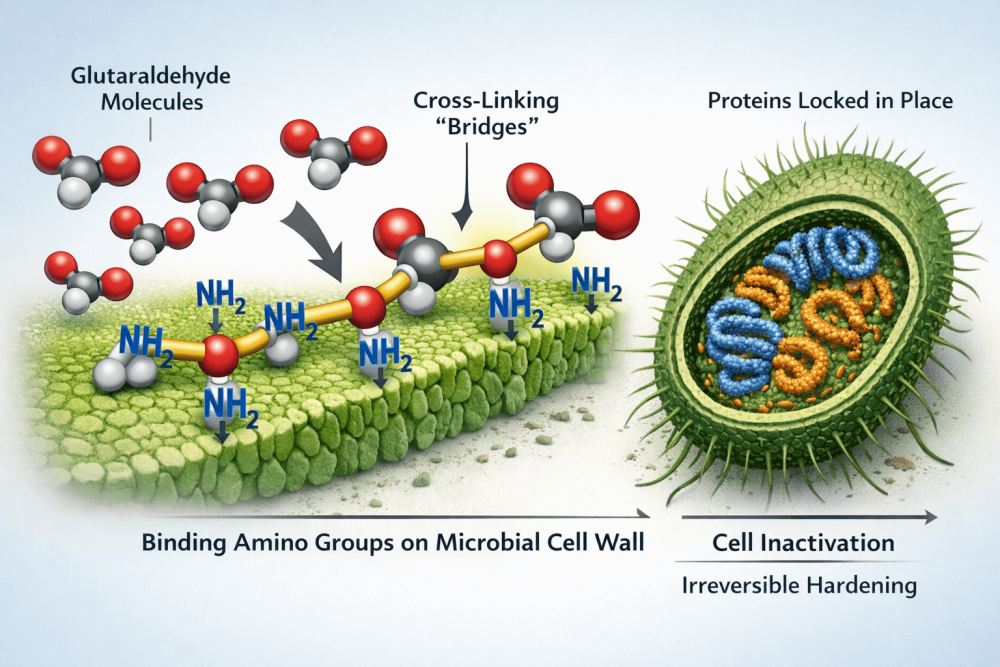
Amino Group Reaction: The aldehyde groups react aggressively with the primary amino groups of proteins found in microbial cell walls and membranes.
Irreversible Coagulation: This creates a dense, three-dimensional network of cross-linked proteins, effectively "locking" the cell’s machinery and causing immediate, irreversible inactivation.
Nucleic Acid Disruption: It penetrates deep into the microorganism to halt RNA, DNA, and protein synthesis.
Because of this robust microbial inactivation, it is one of the few chemicals capable of sporicidal activity, meaning it can kill highly resistant bacterial spores that survive standard alcohol or bleach treatments.
3. Why the World Chooses Glutaraldehyde in 2026
The designation of "Gold Standard" isn't just about killing germs; it’s about material compatibility and economic efficiency.
Unmatched Material Compatibility
In the medical field, particularly for endoscope reprocessing, Glutaraldehyde is prized because it is non-corrosive. It effectively sterilizes delicate rubber, plastic, and carbon-fiber components without the etching or degradation caused by peracetic acid or high-heat autoclaving.
A Multidisciplinary Biocide
The application spectrum of Glutaraldehyde is unmatched by any other single chemical:
North America: Essential for oilfield biocide applications, preventing "souring" in shale gas wells by eliminating sulfate-reducing bacteria (SRB).
India: A cornerstone of water treatment chemicals, keeping cooling towers free of biofilm in the subcontinent’s expanding manufacturing hubs.
South America: A vital veterinary disinfectant, securing the biosecurity of the world's largest meat exporters against viral outbreaks.
4. Safety and Sustainability in 2026
As we move further into 2026, the focus has shifted toward the sustainable and safe use of biocides. Modern application systems now utilize automated dosing and closed-loop delivery to minimize human exposure, adhering to the strictest OSHA and international safety standards.
Furthermore, Glutaraldehyde is readily biodegradable. When properly neutralized (using simple agents like sodium bisulfite or glycine), it leaves no persistent environmental footprint—a critical factor for companies aiming for "Green Chemistry" certifications.
Conclusion: The Reliable Path Forward
Whether you are managing a Tier-1 hospital in Mumbai, a shale play in Texas, or a leather tannery in Brazil, the choice of biocide dictates your operational resilience. Glutaraldehyde offers the perfect intersection of high-level disinfection, cost-effectiveness, and proven reliability.
As we look toward the rest of 2026, we invite you to explore how our high-purity Glutaraldehyde solutions can fortify your specific industry.
Looking for more technical data?
[Download our 2026 Product Specification Sheet]
[Request a Safety Data Sheet (SDS)]
[Consult with our Regional Sales Expert for North America, India, or South America]
Recently Posted
-
Hydrazine Hydrate: A Powerful Yet Potent Industrial Workhorse
March 2, 2026IntroductionIn the world of industrial chemistry, few compounds are as versatile and as demanding of respect as hydrazine hydrate. Read More
 -
Troubleshooting Common Nitrilotriacetic Acid Problems
February 26, 2026Nitrilotriacetic Acid (NTA) is a powerful chelating agent widely used to control metal ions in detergents, industrial cleaning, water treatment, and electroplating. However, users may sometimes face challenges such as persistent scaling, hazy solutions, or changes in product viscosity even when using NTA.This guide provides clear, actionable solutions to these common issues, helping you ensure NTA performs effectively and relRead More -
Industry Alert: Navigating China’s 2026 Phosphate Export Tax Changes
February 3, 2026Starting April 1, 2026, China will eliminate the VAT export tax rebate for specific organic phosphorus chemicals and inorganic pho Read More
 -
Strategic Sourcing of Isothiazolinones in 2026: A Leader’s Guide to Global Compliance
January 26, 2026As we move through 2026, the global industrial biocide landscape is facing a "perfect storm." Between stricter regulator Read More

Contact Us
Recommended Products
-
 Surfactant Coconut Monoethanol Amide(CMEA)-HOOCHEMTECNegotiableMOQ: 10 Tons
 -
Surfactant Sodium Alpha-olefin Sulfonate (AOS) Powder-HOO CHEMTECNegotiableMOQ: 1 Ton
-
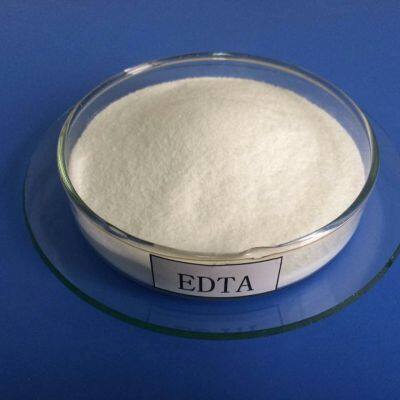
Chelating Agent Ethylenediaminetetraacetic Acid (EDTA) -HOOCHEMTECNegotiableMOQ: 10 Tons
-
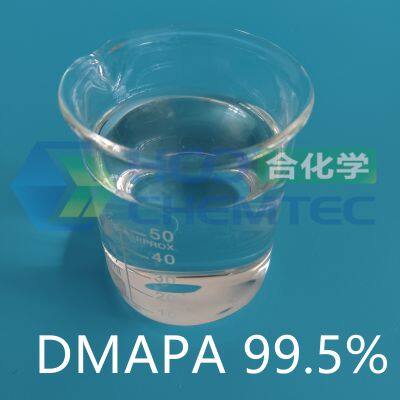
Surfactant Dimethylaminopropylamine (DMAPA) Flake-HOOCHEMTECNegotiableMOQ: 10 Tons
-
Effective Coagulant Aluminum Chlorohydrate (ACH) -HOOCHEMTECNegotiableMOQ: 10 Tons
-
Snow Melting Potassium Acetate -HOOCHEMTECNegotiableMOQ: 10 Tons
-
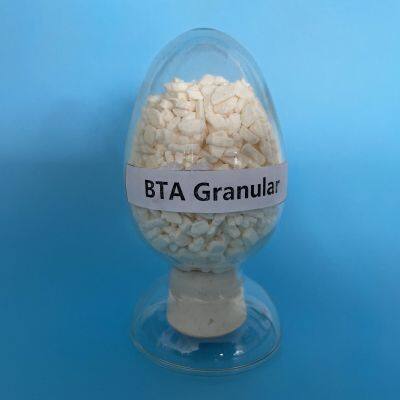
Hot Sell Corrosion Inhibitor 1,2,3-Benzotriazole /BTA-HOOCHEMTECUS$ 1MOQ: 1 Ton
-
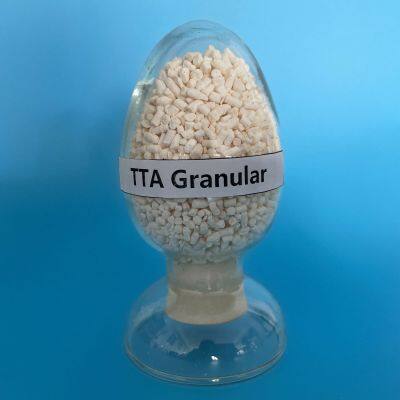
Hot Sell Corrosion Inhibitor TTA/Tolyltriazole Granular -HOOCHEMTECUS$ 1MOQ: 1 Ton
-
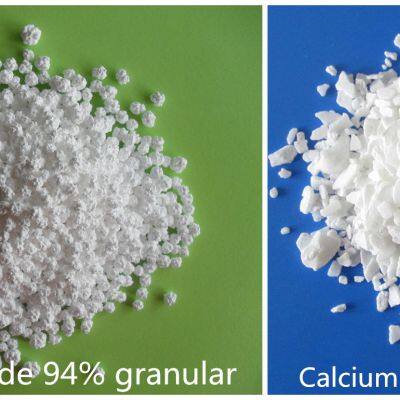
Snow Melting Calcium Chloride Flake/beads-HOOCHEMTECUS$ 1MOQ: 1 Ton
-
Snow Melting Snow Melting Graular-HOOCHEMTECUS$ 1MOQ: 1 Ton
-
Water-soluble Polymer Polyethylene Oxide /PEO-HOOCHEMTECUS$ 1MOQ: 1 Ton
-
Natural Thickening and Gelling Agent Sodium Alginate Food Grade /iindustry Grade-HOOCHEMTECUS$ 1MOQ: 1 Ton
-
Anionic Surfactant Sodium Lauryl Sulfates/SLS NEEDLE 95%-HOOCHEMTECUS$ 1MOQ: 1 Ton
-
Anionic Surfactant Sodium Lauryl Ether Sulphate/SLES 70%-HOOCHEMTECUS$ 1MOQ: 1 Metric Ton
-
Isothiazolinone CMIT MITNegotiableMOQ: 1 Metric Ton

-
Hot Sell Absorbent and Desiccant Activated Clay-HOOCHEMTECUS$ 1MOQ: 1 Metric Ton
-
Xanthan GumNegotiableMOQ: 1 Metric Ton
-
Hot Sell Absorbent and Desiccant Silica Gel White/orange/blue-HOOCHEMTECUS$ 1MOQ: 1 Metric Ton
-
Sodium Molybdate Export-HOOCHEMTECNegotiableMOQ: 1 Metric Ton
-
PBTCA/2-Phosphonobutane-1,2,4-Tricarboxylic AcidNegotiableMOQ: 1 Metric Ton