 Business License

Troubleshooting Common Nitrilotriacetic Acid Problems
Nitrilotriacetic Acid (NTA) is a powerful chelating agent widely used to control metal ions in detergents, industrial cleaning, water treatment, and electroplating. However, users may sometimes face challenges such as persistent scaling, hazy solutions, or changes in product viscosity even when using NTA.
This guide provides clear, actionable solutions to these common issues, helping you ensure NTA performs effectively and reliably in your processes.
Common Problems & Practical Solutions
Here, we diagnose frequent NTA application issues, identify their root causes, and offer steps to resolve them.
Problem 1: Scaling or Deposits Persist After Adding NTA
If scale formation continues, consider these three main causes:
Insufficient Dosage: The most common issue is simply not adding enough NTA. The required dosage depends on the concentration of calcium, magnesium, and iron ions. Recalculate using a fresh water analysis and the method below.
Incorrect pH: NTA works best in alkaline conditions (typically pH > 8). In acidic environments, its effectiveness drops. Check and adjust your system's pH, or consider using pre-neutralized forms like NTA trisodium salt for wider pH range.
Inadequate Mixing/Contact Time: NTA must physically contact metal ions to work. Ensure sufficient agitation and allow adequate reaction time in your process flow.
Problem 2: NTA Solution Turns Cloudy or Forms Precipitate
A cloudy stock solution indicates premature reaction.
Improper Storage/Preparation: NTA sodium salt solutions can crystallize if stored too cold. Always store liquids above 10°C (50°F) in sealed containers. Crucially, always use deionized or softened water to prepare stock solutions.
Using Hard Water for Dilution: Dissolving NTA powder or diluting concentrate with hard water causes instant reaction with calcium/magnesium, forming permanent haze. Never use tap water for concentrates.
Problem 3: Product Viscosity Changes or Separation
Adding NTA salts can sometimes affect formulation stability.
Cause: Electrolyte Effect: Introducing ions can disrupt interactions between surfactants and polymers.
Solution: Adjust ratios of salts, surfactants, or thickeners. Changing the order of ingredient addition during production can also improve compatibility.
Problem 4: Slow Dissolution of NTA Powder
Slow dissolving powder delays production.
Cause: Poor Mixing Technique: Adding powder to still water causes clumping ("fish-eyes").
Solution: Ensure vigorous agitation before adding powder slowly into the water vortex. Using warm water (below 50°C / 122°F) or a high-shear mixer can speed up dissolution.
How to Determine the Correct NTA Dosage
Accurate dosing is key. Follow these three steps:
Conduct a Water Analysis: Test for Calcium (Ca²⁺), Magnesium (Mg²⁺), and Total Iron (Fe) concentrations (in mg/L or ppm).
Apply the Calculation Formula:
Required NTA (mg/L) ≈ [Ca²⁺] × 3.8 + [Mg²⁺] × 6.6 + [Fe] × 5.2
(Multipliers are the mg of pure NTA needed to bind 1 mg of each ion).
Apply a Safety Factor & Adjust: Multiply the result by 1.2 to 1.5 to account for system variations. If using a commercial product (e.g., NTA Trisodium Salt), divide by its active content percentage (from the TDS) for the correct product weight.
Storage, Preparation & Safety Guidelines
Storage:
Store all forms in a cool, dry, ventilated area, away from strong acids/bases/oxidizers.
Powder: Keep containers tightly sealed to prevent moisture absorption and caking.
Liquid Solutions: Store above 10°C (50°F) to prevent crystallization. Keep sealed to avoid CO₂ absorption.
Preparation:
Dissolving Powder: Use deionized/softened water. Add powder slowly under good agitation.
Diluting Liquid: Always add concentrate into dilution water with stirring, never water into concentrate.
Safety:
Wear safety goggles, gloves, and a dust mask when handling powder.
Ensure eyewash stations/showers are accessible. Wash hands after handling.
Conclusion
By understanding key principles—accurate dosing based on water analysis, proper storage and handling, and awareness of common pitfalls like pH and mixing—you can prevent most NTA application issues. This ensures you fully leverage its benefits for scale prevention, metal ion control, and process stability.
For further guidance on product selection or tailored technical support for your specific application, the expert team at HOO CHEMTEC is ready to assist.
Recently Posted
-
Why Glutaraldehyde Remains the Global "Gold Standard" in 2026
March 2, 2026In the rapidly evolving landscape of 2026, where global biosecurity and industrial hygiene have moved from peripheral concerns to Read More
 -
Hydrazine Hydrate: A Powerful Yet Potent Industrial Workhorse
March 2, 2026IntroductionIn the world of industrial chemistry, few compounds are as versatile and as demanding of respect as hydrazine hydrate.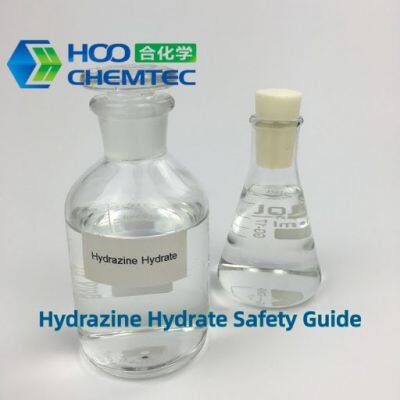 Read More
 -
Industry Alert: Navigating China’s 2026 Phosphate Export Tax Changes
February 3, 2026Starting April 1, 2026, China will eliminate the VAT export tax rebate for specific organic phosphorus chemicals and inorganic pho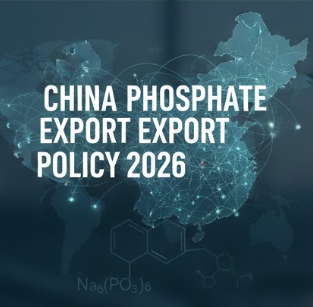 Read More
 -
Strategic Sourcing of Isothiazolinones in 2026: A Leader’s Guide to Global Compliance
January 26, 2026As we move through 2026, the global industrial biocide landscape is facing a "perfect storm." Between stricter regulator Read More

Contact Us
Recommended Products
-
 Surfactant Coconut Monoethanol Amide(CMEA)-HOOCHEMTECNegotiableMOQ: 10 Tons
 -
Surfactant Sodium Alpha-olefin Sulfonate (AOS) Powder-HOO CHEMTECNegotiableMOQ: 1 Ton
-
Chelating Agent Ethylenediaminetetraacetic Acid (EDTA) -HOOCHEMTECNegotiableMOQ: 10 Tons
-
Surfactant Dimethylaminopropylamine (DMAPA) Flake-HOOCHEMTECNegotiableMOQ: 10 Tons
-
Effective Coagulant Aluminum Chlorohydrate (ACH) -HOOCHEMTECNegotiableMOQ: 10 Tons
-
Snow Melting Potassium Acetate -HOOCHEMTECNegotiableMOQ: 10 Tons
-
Hot Sell Corrosion Inhibitor 1,2,3-Benzotriazole /BTA-HOOCHEMTECUS$ 1MOQ: 1 Ton
-
Hot Sell Corrosion Inhibitor TTA/Tolyltriazole Granular -HOOCHEMTECUS$ 1MOQ: 1 Ton
-
Snow Melting Calcium Chloride Flake/beads-HOOCHEMTECUS$ 1MOQ: 1 Ton
-
Snow Melting Snow Melting Graular-HOOCHEMTECUS$ 1MOQ: 1 Ton
-
Water-soluble Polymer Polyethylene Oxide /PEO-HOOCHEMTECUS$ 1MOQ: 1 Ton
-
Natural Thickening and Gelling Agent Sodium Alginate Food Grade /iindustry Grade-HOOCHEMTECUS$ 1MOQ: 1 Ton
-
Anionic Surfactant Sodium Lauryl Sulfates/SLS NEEDLE 95%-HOOCHEMTECUS$ 1MOQ: 1 Ton
-
Anionic Surfactant Sodium Lauryl Ether Sulphate/SLES 70%-HOOCHEMTECUS$ 1MOQ: 1 Metric Ton
-
Isothiazolinone CMIT MITNegotiableMOQ: 1 Metric Ton

-
Hot Sell Absorbent and Desiccant Activated Clay-HOOCHEMTECUS$ 1MOQ: 1 Metric Ton
-
Xanthan GumNegotiableMOQ: 1 Metric Ton
-
Hot Sell Absorbent and Desiccant Silica Gel White/orange/blue-HOOCHEMTECUS$ 1MOQ: 1 Metric Ton
-
Sodium Molybdate Export-HOOCHEMTECNegotiableMOQ: 1 Metric Ton
-
PBTCA/2-Phosphonobutane-1,2,4-Tricarboxylic AcidNegotiableMOQ: 1 Metric Ton