 Business License

Industry Alert: Navigating China’s 2026 Phosphate Export Tax Changes
Starting April 1, 2026, China will eliminate the VAT export tax rebate for specific organic phosphorus chemicals and inorganic phosphates. While aimed primarily at pesticide technicals, this policy explicitly includes key raw materials for the water treatment industry, such as Sodium Hexametaphosphate (SHMP) and Sodium Tripolyphosphate (STPP).
For global B2B buyers and manufacturers of water treatment chemicals, this signals an immediate rise in procurement costs and a long-term shift toward green alternatives.
1. The Core Policy Change
The new regulation targets the raw material stage of the supply chain (Customs Tariff Chapter 29).
What is affected: Export rebates are cancelled for inorganic phosphate raw materials (SHMP, STPP) and various organic phosphorus intermediates.
What is NOT directly affected: Finished water treatment preparations (e.g., formulated scale inhibitors, biocides) which typically fall under Chapter 38.
The Bottom Line: While finished goods exports are technically exempt, manufacturers of these goods face higher input costs. These costs will inevitably be passed down the supply chain to end-users.
2. Immediate Market Impacts (Q1-Q2 2026)
The "Rush to Export" Phenomenon
With the April 1st deadline approaching, the market is witnessing a surge in export activity as suppliers attempt to ship goods under the current rebate structure.
Expectation: Short-term volatility in availability and logistics bottlenecks.
Risk: Price spikes in February and March due to high demand for pre-deadline shipments.
Cost Inflation for Derivatives
Phosphates are fundamental to scale and corrosion inhibitors. The removal of the rebate effectively raises the base price of these commodities for international buyers. Small and Medium Enterprises (SMEs) without long-term hedging contracts will likely feel the sharpest margin compression.
3. Strategic Responses for B2B Buyers
To mitigate the impact of these changes, procurement managers and B2B distributors should adopt a three-pronged strategy:
A. Secure Near-Term Supply
Lock in Pricing: Negotiate with suppliers immediately to secure stock before the new tax regime takes effect.
Audit Contracts: Review existing contracts to understand how "regulatory change" clauses might affect your pricing.
B. Diversify Sourcing
Alternative Regions: Look beyond China to phosphate producers in Southeast Asia or other regions unaffected by this specific VAT change to create leverage.
Vertical Integration: For larger players, deepening partnerships with upstream producers can ensure supply security.
C. Pivot to Green Alternatives
This policy aligns with global sustainability trends (e.g., EU regulations) pushing for phosphorus-free solutions.
Invest in R&D: Shift focus toward Polyaspartic Acid (PASP), biodegradable flocculants, and molybdate-based inhibitors.
Value Over Volume: Transition from selling commodity chemicals to offering "smart" dosing solutions and high-efficiency formulations that require lower chemical volumes.
Conclusion
The 2026 VAT rebate cancellation is more than a pricing adjustment; it is a catalyst for industry modernization. Companies that rely solely on low-cost raw materials will struggle, while those that adapt by diversifying their supply chain and embracing eco-friendly formulations will capture the emerging market share.
Recommendation: Assess your inventory exposure immediately and open dialogues with your suppliers about their post-April pricing structures.
Recently Posted
-
Why Glutaraldehyde Remains the Global "Gold Standard" in 2026
March 2, 2026In the rapidly evolving landscape of 2026, where global biosecurity and industrial hygiene have moved from peripheral concerns to Read More
 -
Hydrazine Hydrate: A Powerful Yet Potent Industrial Workhorse
March 2, 2026IntroductionIn the world of industrial chemistry, few compounds are as versatile and as demanding of respect as hydrazine hydrate.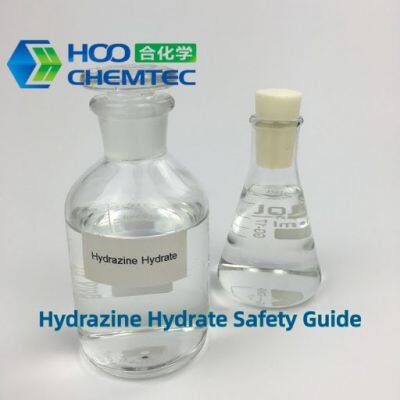 Read More
 -
Troubleshooting Common Nitrilotriacetic Acid Problems
February 26, 2026Nitrilotriacetic Acid (NTA) is a powerful chelating agent widely used to control metal ions in detergents, industrial cleaning, water treatment, and electroplating. However, users may sometimes face challenges such as persistent scaling, hazy solutions, or changes in product viscosity even when using NTA.This guide provides clear, actionable solutions to these common issues, helping you ensure NTA performs effectively and relRead More -
Strategic Sourcing of Isothiazolinones in 2026: A Leader’s Guide to Global Compliance
January 26, 2026As we move through 2026, the global industrial biocide landscape is facing a "perfect storm." Between stricter regulator Read More

Contact Us
Recommended Products
-
 Surfactant Coconut Monoethanol Amide(CMEA)-HOOCHEMTECNegotiableMOQ: 10 Tons
 -
Surfactant Sodium Alpha-olefin Sulfonate (AOS) Powder-HOO CHEMTECNegotiableMOQ: 1 Ton
-
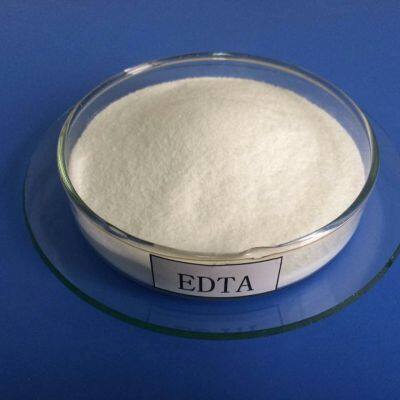
Chelating Agent Ethylenediaminetetraacetic Acid (EDTA) -HOOCHEMTECNegotiableMOQ: 10 Tons
-
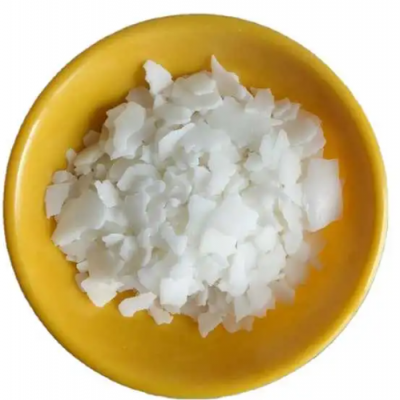
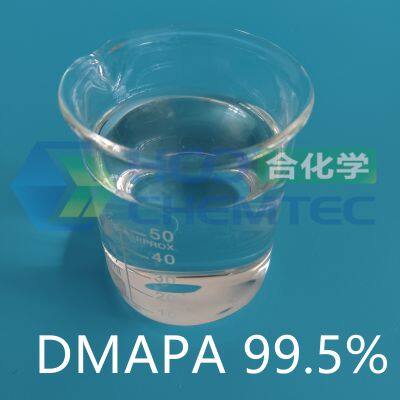
Surfactant Dimethylaminopropylamine (DMAPA) Flake-HOOCHEMTECNegotiableMOQ: 10 Tons
-
Effective Coagulant Aluminum Chlorohydrate (ACH) -HOOCHEMTECNegotiableMOQ: 10 Tons
-
Snow Melting Potassium Acetate -HOOCHEMTECNegotiableMOQ: 10 Tons
-
Hot Sell Corrosion Inhibitor 1,2,3-Benzotriazole /BTA-HOOCHEMTECUS$ 1MOQ: 1 Ton
-
Hot Sell Corrosion Inhibitor TTA/Tolyltriazole Granular -HOOCHEMTECUS$ 1MOQ: 1 Ton
-
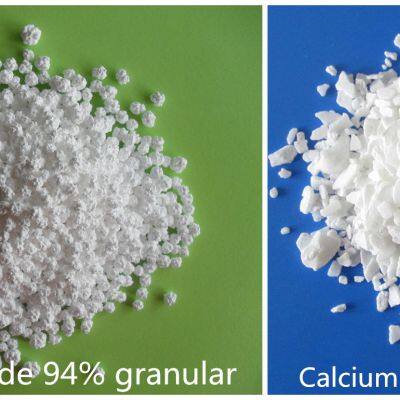
Snow Melting Calcium Chloride Flake/beads-HOOCHEMTECUS$ 1MOQ: 1 Ton
-
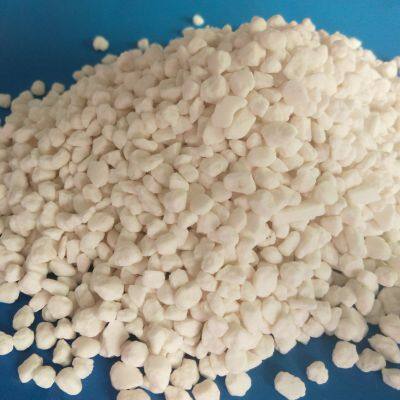
Snow Melting Snow Melting Graular-HOOCHEMTECUS$ 1MOQ: 1 Ton
-
Water-soluble Polymer Polyethylene Oxide /PEO-HOOCHEMTECUS$ 1MOQ: 1 Ton
-
Natural Thickening and Gelling Agent Sodium Alginate Food Grade /iindustry Grade-HOOCHEMTECUS$ 1MOQ: 1 Ton
-
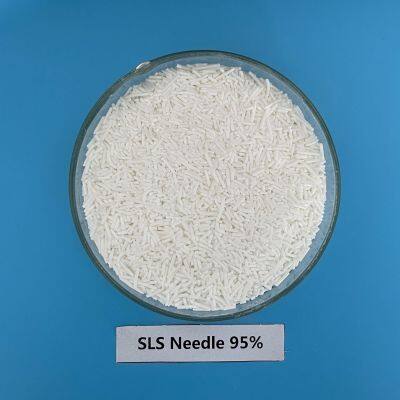
Anionic Surfactant Sodium Lauryl Sulfates/SLS NEEDLE 95%-HOOCHEMTECUS$ 1MOQ: 1 Ton
-
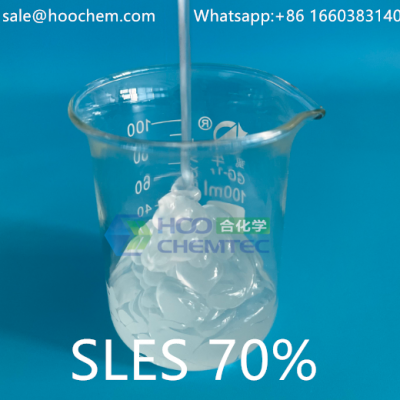
Anionic Surfactant Sodium Lauryl Ether Sulphate/SLES 70%-HOOCHEMTECUS$ 1MOQ: 1 Metric Ton
-
Isothiazolinone CMIT MITNegotiableMOQ: 1 Metric Ton

-
Hot Sell Absorbent and Desiccant Activated Clay-HOOCHEMTECUS$ 1MOQ: 1 Metric Ton
-
Xanthan GumNegotiableMOQ: 1 Metric Ton
-
Hot Sell Absorbent and Desiccant Silica Gel White/orange/blue-HOOCHEMTECUS$ 1MOQ: 1 Metric Ton
-
Sodium Molybdate Export-HOOCHEMTECNegotiableMOQ: 1 Metric Ton
-
PBTCA/2-Phosphonobutane-1,2,4-Tricarboxylic AcidNegotiableMOQ: 1 Metric Ton