 Business License

The Complete Guide to DMAPA
Have you ever wondered what makes your shampoo feel so smooth or how industrial coatings achieve their durability?
The answer might involve a versatile chemical you’ve probably never heard of: DMAPA. Short for Dimethylaminopropylamine, this compound is a behind-the-scenes workhorse in the chemical industry.
While it stays out of the spotlight, DMAPA is a key building block in creating ingredients for countless products, from personal care items to water treatment solutions.
This guide will introduce you to what is Dimethylaminopropylamine, exploring its essential roles and why it’s so important. Let’s dive in and uncover the story of this multifaceted molecule.
Understanding DMAPA
Let’s dive into the fundamental characteristics of DMAPA. This chapter will help you understand what this chemical is, how to identify it, its physical and chemical properties, and how it’s made. Whether you’re a student, engineer, or industry professional, this section will give you a solid foundation for understanding this versatile chemical intermediate.
1. What is Dimethylaminopropylamine
DMAPA, most commonly known as N,N-Dimethyl-1,3-propanediamine, is a versatile organic compound belonging to the diamine family. You might also see it called 3-Dimethylaminopropylamine, which is another standard name.
For precise identification, especially when ordering or reviewing specifications, you’ll need its unique identifiers:
CAS Number: This is the universal fingerprint for chemicals. For DMAPA, it’s 109-55-7.
Molecular Formula: C5H14N2.
Molecular Weight: 102.18 g/mol.
Knowing these dimethylaminopropylamine other names and identifiers is crucial for sourcing, regulatory compliance, and technical communication.
2. Physical and Chemical Properties of DMAPA
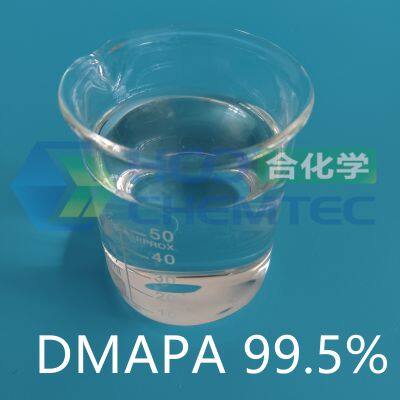
So, what does this DMAPA chemical look and feel like? In its pure form, DMAPA is a colorless, transparent liquid with a distinct, characteristic ammonia-like or fishy odor .
Here are some of its key physical properties that are important for handling and applications:
Boiling Point: The DMAPA boiling point is typically around 132°C to 133°C (approximately 270°F) .
Density: Its density is about 0.812 g/mL at 25°C, making it less dense than water .
Solubility: DMAPA is fully miscible with water and also dissolves well in many common organic solvents .
Flash Point: It has a relatively low flash point of around 32°C (90°F), classifying it as a flammable liquid . This is a critical safety parameter for storage and handling.
Chemically, its molecule contains both a primary amine and a tertiary amine group. This structure is the key to its high reactivity and functionality in various chemical syntheses.
3. What is Dimethylaminopropylamine Made From
Understanding what is dimethylaminopropylamine made from gives insight into its industrial production. The most common commercial method involves a two-step synthesis.
The process starts with two primary raw materials: dimethylamine and acrylonitrile. First, these compounds react to form an intermediate called dimethylaminopropionitrile.
This intermediate then undergoes a catalytic hydrogenation reaction to produce the final product, DMAPA . This well-established process allows for the large-scale production of DMAPA that meets the purity requirements for its various applications.
In summary, DMAPA is a well-defined chemical with specific identifying features and physical properties that dictate its handling and uses. Its production from dimethylamine and acrylonitrile is a cornerstone of its industrial significance.
Now that we’ve covered its basic identity and characteristics, we can explore its wide-ranging applications in the next chapter.
The Versatile Power and Applications of DMAPA
DMAPA’s real-world importance comes from its unique molecular design. This chapter explores how its chemical structure translates into practical benefits across many industries, making it a truly versatile compound .
1. Multifunctional Chemical Character
The power of DMAPA amine lies in its hybrid structure. Its molecule contains both a primary amine group and a tertiary amine group. This is the key to its versatility.
The primary amine is highly reactive, making DMAPA an excellent building block for synthesizing more complex molecules. The tertiary amine can act as a catalyst, speeding up chemical reactions without being consumed.
This dual functionality allows DMAPA to participate in reactions directly or to facilitate processes, making it indispensable in everything from polymer production to personal care.
2. Key Role in Water Treatment
The water treatment industry is a major consumer of DMAPA. Its derivatives are crucial for making water safer and cleaner.
DMAPA is used to synthesize cationic polyelectrolytes that act as efficient flocculating agents. These compounds work by neutralizing the negative charges on suspended particles in water, causing them to clump together (flocculate) so they can be easily removed.
This process, known as charge neutralization and adsorption bridging, is vital for clarifying wastewater and treating drinking water .
Additionally, DMAPA serves as an intermediate for producing corrosion inhibitors and biocides, protecting industrial water systems from damage and microbial growth.
3. Application in Personal Care
If you’ve ever wondered about the role of dimethylaminopropylamine in shampoo, it’s primarily as a source for creating mild, high-performance surfactants.
DMAPA is a key raw material for synthesizing cocamidopropyl betaine, a surfactant known for creating a rich, gentle lather that doesn’t sting the eyes.
Furthermore, it is used to create ingredients like DMAPA acrylates copolymer. These polymers are valued in cosmetics and hair care products for their film-forming abilities, helping to smooth skin, lock in moisture, and provide a soft, flexible hold without a heavy feel.
4. Other Industrial Applications
The range of dimethylaminopropylamine products is extensive. In the plastics industry, it acts as a hardener for epoxy resins, contributing to the creation of durable coatings and composites.
It also functions as a catalyst for polyurethane (PU) foam production, helping to create the foam structure found in mattresses and insulation.
Other significant uses include serving as a raw material for ion-exchange resins, dyes, and as an additive in cyanide-free electroplating processes.
In summary, DMAPA’s dual amine structure makes it a foundational dimethylaminopropylamine source for countless products that we rely on daily.
From the shampoo in your shower to the systems that treat our water, its impact is broad and essential. Understanding these applications highlights its industrial significance.
Next, we will look at the important safety guidelines for handling this powerful chemical.
DMAPA Safety Guide
Working with any chemical requires respect for its properties, and DMAPA is no exception. This chapter gives you the essential safety knowledge for handling this versatile but potentially hazardous amine. We’ll cover its potential risks and, most importantly, how to manage them effectively.
Dimethylaminopropylamine Toxicity and Environmental Impact
DMAPA toxicity is well-documented. It is a corrosive substance that can cause severe skin burns and serious eye damage.
Inhalation of its vapors or mist can strongly irritate the nose, throat, and lungs, potentially leading to serious complications like pulmonary edema.
If swallowed, it causes severe damage to the mouth, throat, and digestive tract. The dimethylaminopropylamine toxicity profile also includes potential skin sensitization, meaning it can cause allergic reactions upon contact.
Safe Handling and Personal Protection
Strict safety measures are non-negotiable. Always wear appropriate personal protective equipment (PPE), including chemical-resistant gloves, protective clothing, and eye protection.
Operations should occur in well-ventilated areas, such as a fume hood, to prevent vapor accumulation.
Due to its flammability (flash point around 32°C/90°F), keep it away from heat, sparks, and open flames. Store in a cool, well-ventilated place, in a tightly closed container made of a compatible material.
Addressing Common Safety Concerns
So, is dimethylaminopropylamine safe? The answer is that its risks are controllable with strict adherence to safe handling practices. It is safe when used correctly by trained professionals with proper precautions.
A key concern is its potential to cause a DMAPA allergy, specifically allergic contact dermatitis. This is particularly noted when DMAPA is present as an impurity in cosmetic surfactants like cocamidopropyl betaine, which is used in shampoos and liquid soaps. Most allergic reactions to these products are linked to residual DMAPA rather than the pure compound itself.
How to Access Safety Information
The most critical documents for safe handling are the DMAPA MSDS (Material Safety Data Sheet) or SDS (Safety Data Sheet). These provide detailed information on hazards, first aid, and fire-fighting measures. Always consult the DMAPA SDS before starting any work.
Additionally, the Technical Data Sheet (DMAPA TDS) offers valuable technical specifications. You can typically obtain these documents from your chemical supplier.
In summary, treating DMAPA with caution and respect is key to working with it safely. By understanding its hazards, using the correct protective gear, and always referring to the DMAPA MSDS/SDS, you can effectively manage the risks.
This allows you to leverage the benefits of this valuable chemical intermediate while ensuring a safe working environment.
Conclusion
In summary, DMAPA has firmly established itself as a critical and versatile chemical building block, indispensable across industries from personal care and water treatment to pharmaceuticals and agrochemicals.
Looking ahead, continuous innovation promises to unlock even greater potential for DMAPA and its derivatives, particularly in developing smarter materials and more environmentally friendly solutions.
As a specialist in water treatment chemicals, HOO CHEMTEC recognizes the ongoing importance of such versatile intermediates in creating effective and sustainable solutions for the future.
Q: What is DMAPA most commonly used for?
DMAPA is a versatile chemical building block. Its primary uses include synthesizing gentle surfactants (like cocamidopropyl betaine) for shampoos and personal care products, and producing chemicals for water treatment, such as flocculating agents and corrosion inhibitors.
Q: Is DMAPA safe to handle?
DMAPA is corrosive and can cause skin burns and serious eye damage. However, it is considered safe when handled correctly by trained professionals. This requires strict adherence to safety protocols, including using proper personal protective equipment (PPE) and working in well-ventilated areas.
Q: Who are the major producers of DMAPA?
Major global chemical companies, like BASF, are leading producers. They have significant production capacity and are investing in expanding it to meet growing demand, particularly in the Asia-Pacific region.
Q: What is the future outlook for DMAPA?
The future demand for DMAPA is expected to remain strong. Continuous innovation is likely to expand its applications, especially in the development of smarter materials and more environmentally sustainable solutions.
Recently Posted
-
Why Glutaraldehyde Remains the Global "Gold Standard" in 2026
March 2, 2026In the rapidly evolving landscape of 2026, where global biosecurity and industrial hygiene have moved from peripheral concerns to Read More
 -
Hydrazine Hydrate: A Powerful Yet Potent Industrial Workhorse
March 2, 2026IntroductionIn the world of industrial chemistry, few compounds are as versatile and as demanding of respect as hydrazine hydrate. Read More
 -
Troubleshooting Common Nitrilotriacetic Acid Problems
February 26, 2026Nitrilotriacetic Acid (NTA) is a powerful chelating agent widely used to control metal ions in detergents, industrial cleaning, water treatment, and electroplating. However, users may sometimes face challenges such as persistent scaling, hazy solutions, or changes in product viscosity even when using NTA.This guide provides clear, actionable solutions to these common issues, helping you ensure NTA performs effectively and relRead More -
Industry Alert: Navigating China’s 2026 Phosphate Export Tax Changes
February 3, 2026Starting April 1, 2026, China will eliminate the VAT export tax rebate for specific organic phosphorus chemicals and inorganic pho Read More

Contact Us
Recommended Products
-
 Surfactant Coconut Monoethanol Amide(CMEA)-HOOCHEMTECNegotiableMOQ: 10 Tons
 -
Surfactant Sodium Alpha-olefin Sulfonate (AOS) Powder-HOO CHEMTECNegotiableMOQ: 1 Ton
-
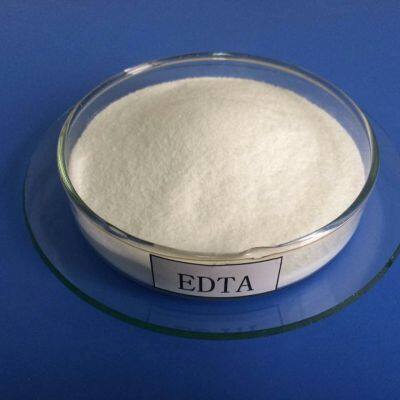
Chelating Agent Ethylenediaminetetraacetic Acid (EDTA) -HOOCHEMTECNegotiableMOQ: 10 Tons
-
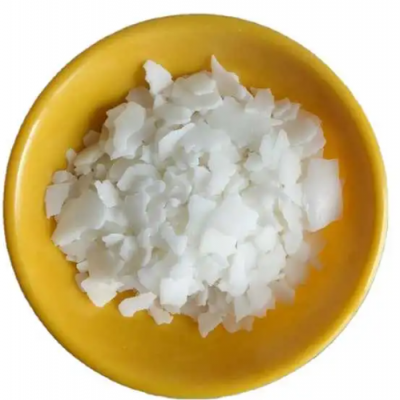
Surfactant Dimethylaminopropylamine (DMAPA) Flake-HOOCHEMTECNegotiableMOQ: 10 Tons
-
Effective Coagulant Aluminum Chlorohydrate (ACH) -HOOCHEMTECNegotiableMOQ: 10 Tons
-
Snow Melting Potassium Acetate -HOOCHEMTECNegotiableMOQ: 10 Tons
-
Hot Sell Corrosion Inhibitor 1,2,3-Benzotriazole /BTA-HOOCHEMTECUS$ 1MOQ: 1 Ton
-
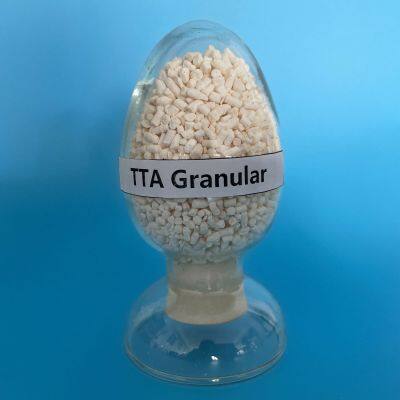
Hot Sell Corrosion Inhibitor TTA/Tolyltriazole Granular -HOOCHEMTECUS$ 1MOQ: 1 Ton
-
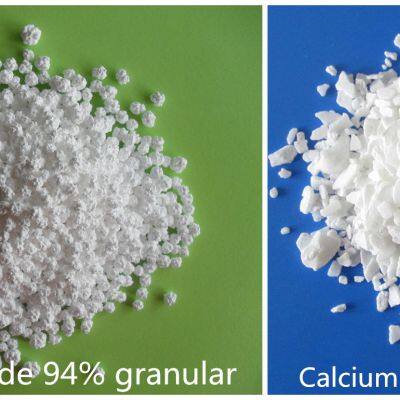
Snow Melting Calcium Chloride Flake/beads-HOOCHEMTECUS$ 1MOQ: 1 Ton
-
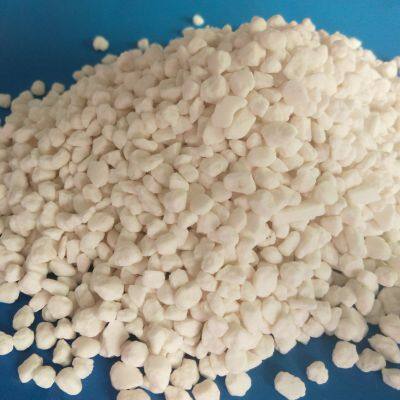
Snow Melting Snow Melting Graular-HOOCHEMTECUS$ 1MOQ: 1 Ton
-
Water-soluble Polymer Polyethylene Oxide /PEO-HOOCHEMTECUS$ 1MOQ: 1 Ton
-
Natural Thickening and Gelling Agent Sodium Alginate Food Grade /iindustry Grade-HOOCHEMTECUS$ 1MOQ: 1 Ton
-
Anionic Surfactant Sodium Lauryl Sulfates/SLS NEEDLE 95%-HOOCHEMTECUS$ 1MOQ: 1 Ton
-
Anionic Surfactant Sodium Lauryl Ether Sulphate/SLES 70%-HOOCHEMTECUS$ 1MOQ: 1 Metric Ton
-
Isothiazolinone CMIT MITNegotiableMOQ: 1 Metric Ton

-
Hot Sell Absorbent and Desiccant Activated Clay-HOOCHEMTECUS$ 1MOQ: 1 Metric Ton
-
Xanthan GumNegotiableMOQ: 1 Metric Ton
-
Hot Sell Absorbent and Desiccant Silica Gel White/orange/blue-HOOCHEMTECUS$ 1MOQ: 1 Metric Ton
-
Sodium Molybdate Export-HOOCHEMTECNegotiableMOQ: 1 Metric Ton
-
PBTCA/2-Phosphonobutane-1,2,4-Tricarboxylic AcidNegotiableMOQ: 1 Metric Ton