 Business License

Silica Gel Type Guide: Common Types, Characteristics, and Application Scenarios
When you unpack a new pair of shoes or a piece of electronics, those unassuming little packets –silica gel desiccant– are likely your most familiar encounter with silica gel. Yet, silica gel’s capabilities extend far beyond this common application. This seemingly simple material unlocks a spectrum of properties and diverse types of silica gel through precise control of its internal structure, primarily its pore size. As a result, it plays a vital role across a vast stage, from everyday life to cutting-edge technologies.
Coarse-pore silica gel (Type A silica gel): A powerful moisture absorber
This type of silica gel desiccant features the largest pore size among common types of silica gel (approximately 2-3 nm), resulting in a relatively lower specific surface area (approx. 650-800 m²/g). This unique structure delivers exceptional moisture adsorption capacity, particularly excelling in high-humidity environments. It rapidly and efficiently absorbs large volumes of water vapor, achieving moisture adsorption rates exceeding 40% of its own weight. Furthermore, it possesses good physical strength for reliable performance.
Key Applications of Type A Silica Gel:
1. The Workhorse of Drying & Moisture Prevention: This is the most prevalent type of silica gel desiccant. It’s widely used in packaging across diverse industries – including food, pharmaceuticals, electronics, apparel, footwear, and instrumentation to effectively prevent moisture damage, mold, and spoilage.
2. Gas Drying & Purification: Employed for the deep dehydration and drying of compressed air, industrial gases (such as oxygen, nitrogen, hydrogen), and natural gas.
3. Liquid Drying: Used in the dehydration and purification (dewatering) of industrial oils, including transformer oil and insulating oil, to maintain performance and dielectric strength.
Fine-Pore Silica Gel (Type B Silica Gel): The High-Efficiency Low-Humidity Specialist
This type of silica gel features smaller pore sizes (approx. 1.5-2.5 nm) and a very high specific surface area (typically 450-600 m²/g). This structure delivers exceptional adsorption capacity specifically in low-humidity environments. While its saturation moisture uptake at high humidity may be slightly lower than coarse-pore (Type A) silica gel desiccant, Type B exhibits superior adsorption speed and capacity at relative humidity (RH) below 40%. It also offers higher thermal stability and improved abrasion resistance.
Key Applications of Type B Silica Gel:
1. Deep Drying for Critical Protection: Essential for achieving and maintaining ultra-dry conditions. Used in the storage and protection of highly sensitive items such as precision electronic components, optical instruments, advanced pharmaceutical raw materials, and specialty chemical catalysts where even trace moisture is detrimental.
2. Adsorption Separation in Petrochemicals: Plays a vital role in separating light hydrocarbon components (such as ethane, ethylene) from natural gas and refinery gas streams within the petrochemical industry.
3. High-Performance Catalyst Support: Leverages its high surface area and exceptional stability to serve as an ideal catalyst support for numerous critical industrial chemical processes, including Fluid Catalytic Cracking (FCC) and hydrotreating/hydrogenation processes.
Color-Changing Silica Gel: The Visible Moisture Sentinel
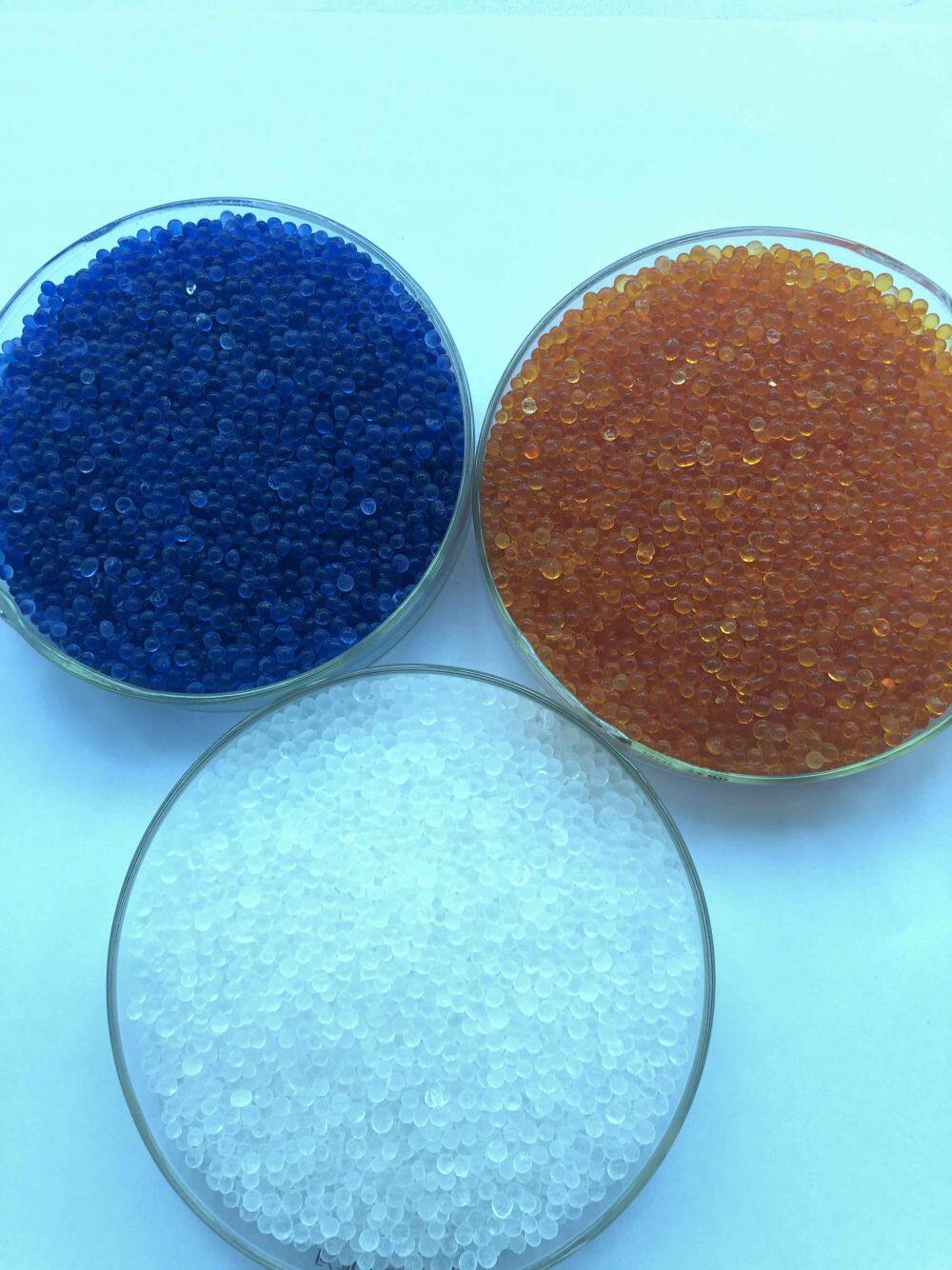
This advanced silica gel desiccant is engineered by impregnating fine-pore Type B silica gel with humidity-sensitive indicators like cobalt chloride (CoCl₂) or methyl violet. While its adsorption capacity derives from the base silica gel’s properties, its defining feature is a dramatic, reversible color transition based on moisture levels.
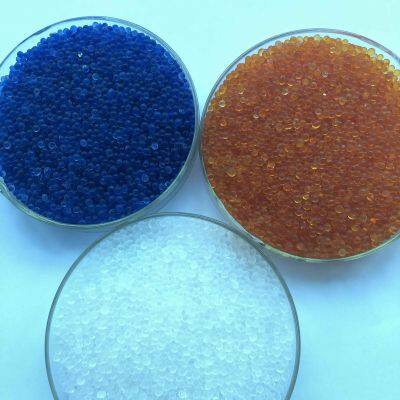
Example: Cobalt chloride-infused silica gel shifts from deep blue (dry) to pink (saturated) – offering instant visual humidity feedback.
Key Applications of Color-Changing Silica Gel:
Real-Time Humidity Monitoring
Ideal for enclosures requiring visual status checks:
→ Instrument cases & toolboxes
→ Pharmaceutical bottles & medical storage
→ Camera gear bags & electronics cabinets
→ Dehumidifier dry rooms & hermetic containers
Laboratory Precision Control
Essential in scientific workflows:
→ Desiccator humidity indicators for chemical stability
→ Reference standards in analytical testing
Smart Packaging Integration
Embedded in high-value product packaging:
→ Sensitive electronics (semiconductors, sensors)
→ Diagnostic reagents & biotech materials
→ Luxury goods & archival items
Selecting the Right Silica Gel Desiccant: Key Application Considerations
Understanding the distinct properties of different types of silica gel is crucial. How do you choose the optimal silica gel desiccant for your specific needs? Focus on these critical factors
Target Humidity Environment:
High-Humidity Environment? (e.g., tropical climates, damp storage): Type A Silica Gel (Coarse Pore) excels with its superior high-humidity adsorption capacity.
Require Extremely Low Humidity? (e.g., sensitive electronics, pharmaceuticals): Type B Silica Gel (Fine Pore) delivers superior performance and faster adsorption below 40% RH.
Need Visual Moisture Monitoring? Color-Changing Silica Gel provides instant, visible humidity indication.
Adsorption Target:
Primarily Adsorbing Water? All main types of silica gel desiccant (A, B, Color-Changing) are effective.
Adsorbing Specific Gases or Liquids? Consider pore size compatibility and potential surface chemical modification for selective adsorption.
Operating Conditions:
Temperature Range? Consider the operational and regeneration temperatures. Type B Silica Gel generally offers higher thermal stability.
Require High Physical Strength? Evaluate the need for abrasion resistance and crush strength based on handling and process conditions.
Cost vs. Functionality:
Optimizing Budget? Standard Type A or Type B Silica Gel typically offer the best cost-performance ratio.
Value Visual Confirmation? While Color-Changing Silica Gel carries a premium cost, it provides invaluable convenience and reliability through its visual moisture alert.
Hoochemtec Conclusion: Precision Silica Gel Solutions, Engineered for Your Success
Silica gel – the versatile porous silica derived from sodium silicate – has long transcended its humble image as a simple desiccant. Through the precise engineering of its intricate “nano-maze” (pore structure), scientists have unlocked its diverse potential: the high-capacity adsorption of coarse-pore (Type A), the deep-drying power of fine-pore (Type B), and the intuitive moisture indication of color-changing variants.
As manufacturer & supplier, Hoochemtec delivers:
Precise Control: Engineered pore structures.
Reliable Supply: Consistent quality, global scale.
Expert Support: Optimal type selection. Partner with us for engineered silica gel solutions.
Contact us for better service.
Recently Posted
-
Why Glutaraldehyde Remains the Global "Gold Standard" in 2026
March 2, 2026In the rapidly evolving landscape of 2026, where global biosecurity and industrial hygiene have moved from peripheral concerns to Read More
 -
Hydrazine Hydrate: A Powerful Yet Potent Industrial Workhorse
March 2, 2026IntroductionIn the world of industrial chemistry, few compounds are as versatile and as demanding of respect as hydrazine hydrate. Read More
 -
Troubleshooting Common Nitrilotriacetic Acid Problems
February 26, 2026Nitrilotriacetic Acid (NTA) is a powerful chelating agent widely used to control metal ions in detergents, industrial cleaning, water treatment, and electroplating. However, users may sometimes face challenges such as persistent scaling, hazy solutions, or changes in product viscosity even when using NTA.This guide provides clear, actionable solutions to these common issues, helping you ensure NTA performs effectively and relRead More -
Industry Alert: Navigating China’s 2026 Phosphate Export Tax Changes
February 3, 2026Starting April 1, 2026, China will eliminate the VAT export tax rebate for specific organic phosphorus chemicals and inorganic pho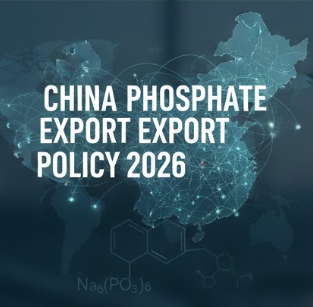 Read More

Contact Us
Recommended Products
-
 Surfactant Coconut Monoethanol Amide(CMEA)-HOOCHEMTECNegotiableMOQ: 10 Tons
 -
Surfactant Sodium Alpha-olefin Sulfonate (AOS) Powder-HOO CHEMTECNegotiableMOQ: 1 Ton
-
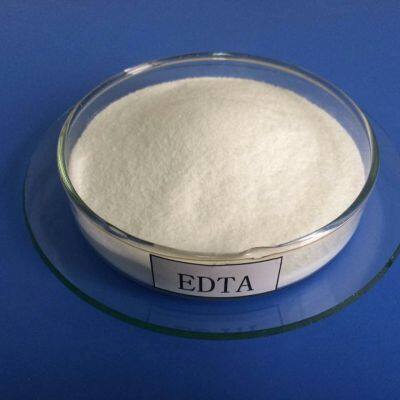
Chelating Agent Ethylenediaminetetraacetic Acid (EDTA) -HOOCHEMTECNegotiableMOQ: 10 Tons
-
Surfactant Dimethylaminopropylamine (DMAPA) Flake-HOOCHEMTECNegotiableMOQ: 10 Tons
-
Effective Coagulant Aluminum Chlorohydrate (ACH) -HOOCHEMTECNegotiableMOQ: 10 Tons
-
Snow Melting Potassium Acetate -HOOCHEMTECNegotiableMOQ: 10 Tons
-
Hot Sell Corrosion Inhibitor 1,2,3-Benzotriazole /BTA-HOOCHEMTECUS$ 1MOQ: 1 Ton
-
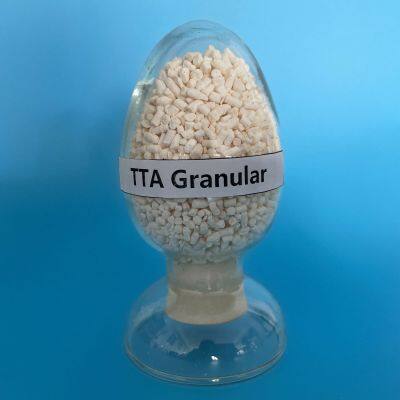
Hot Sell Corrosion Inhibitor TTA/Tolyltriazole Granular -HOOCHEMTECUS$ 1MOQ: 1 Ton
-
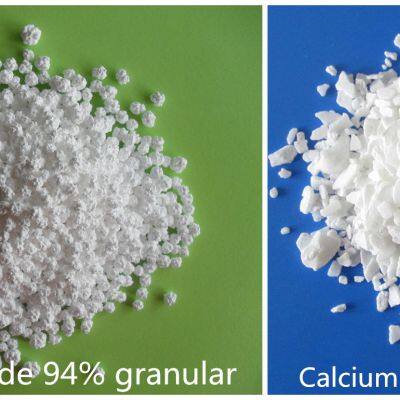
Snow Melting Calcium Chloride Flake/beads-HOOCHEMTECUS$ 1MOQ: 1 Ton
-
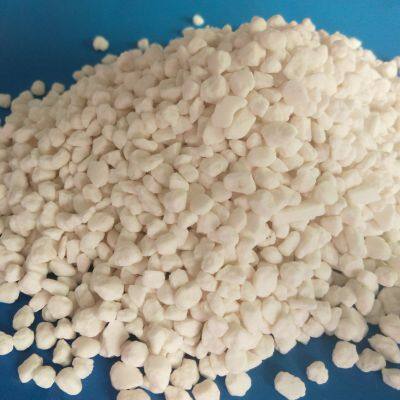
Snow Melting Snow Melting Graular-HOOCHEMTECUS$ 1MOQ: 1 Ton
-
Water-soluble Polymer Polyethylene Oxide /PEO-HOOCHEMTECUS$ 1MOQ: 1 Ton
-
Natural Thickening and Gelling Agent Sodium Alginate Food Grade /iindustry Grade-HOOCHEMTECUS$ 1MOQ: 1 Ton
-
Anionic Surfactant Sodium Lauryl Sulfates/SLS NEEDLE 95%-HOOCHEMTECUS$ 1MOQ: 1 Ton
-
Anionic Surfactant Sodium Lauryl Ether Sulphate/SLES 70%-HOOCHEMTECUS$ 1MOQ: 1 Metric Ton
-
Isothiazolinone CMIT MITNegotiableMOQ: 1 Metric Ton

-
Hot Sell Absorbent and Desiccant Activated Clay-HOOCHEMTECUS$ 1MOQ: 1 Metric Ton
-
Xanthan GumNegotiableMOQ: 1 Metric Ton
-
Hot Sell Absorbent and Desiccant Silica Gel White/orange/blue-HOOCHEMTECUS$ 1MOQ: 1 Metric Ton
-
Sodium Molybdate Export-HOOCHEMTECNegotiableMOQ: 1 Metric Ton
-
PBTCA/2-Phosphonobutane-1,2,4-Tricarboxylic AcidNegotiableMOQ: 1 Metric Ton