 Business License

Hydrazine Hydrate: A Powerful Yet Potent Industrial Workhorse
Introduction
In the world of industrial chemistry, few compounds are as versatile and as demanding of respect as hydrazine hydrate. This inorganic chemical, a simple combination of hydrazine (N₂H₄) and water, is a cornerstone for numerous high-tech and essential applications. From propelling spacecraft to protecting our water systems, its unique properties make it indispensable. However, its significant benefits come with equally significant handling challenges. This blog explores what hydrazine hydrate is, where it's used, and the critical safety measures that surround it.
What is Hydrazine Hydrate?
Hydrazine hydrate is most commonly encountered as an aqueous solution, with commercial grades like 24%, 55%, 80%, and 100% available . In this form, it is more stable and safer to handle than pure, anhydrous hydrazine.
Basic Properties: It is a clear, colorless liquid with a sharp, ammonia-like odor . It is highly soluble in water and alcohols.
Chemical Nature: It is a powerful reducing agent and a strong base . This high reactivity is the key to its wide range of applications.
Key Industrial Applications
The global market for hydrazine hydrate is driven by its critical role in several major industries .
1. Polymer Industry: Creating Everyday Foams
One of its largest volume uses is as a blowing agent.
How it works: It decomposes to release nitrogen gas during polymer processing.
Result: This creates the cellular structure in foams.
End Products: This includes insulation materials, cushioning for furniture and automotive seats, and packaging foams .
2. Aerospace & Defense: Rocket Propulsion
Hydrazine-based fuels are legendary in aerospace.
The Role: Hydrazine hydrate derivatives like monomethylhydrazine (MMH) are used as rocket propellants .
The Advantage: They are hypergolic (ignite on contact with an oxidizer) and can be stored for long periods, making them ideal for satellite thrusters and spacecraft maneuvering .
3. Water Treatment: Protecting Critical Infrastructure
In power plants and industrial boilers, it serves a vital protective function.
Oxygen Scavenger: It chemically removes dissolved oxygen from water .
Corrosion Inhibitor: By eliminating oxygen, it prevents the rust and corrosion of pipes, boilers, and turbines, significantly extending equipment life .
4. Pharmaceutical & Agrochemical Synthesis
It is a crucial chemical intermediate.
Pharmaceuticals: It is used in synthesizing active ingredients for drugs, including certain anti-tuberculosis (e.g., Isoniazid) and anti-hypertension medications .
Agrochemicals: It acts as a building block for various herbicides, fungicides, and plant growth regulators .
Safety, Handling, and Environmental Considerations
Handling hydrazine hydrate requires utmost caution due to its hazardous profile .
Health Hazards: It is highly toxic upon inhalation, ingestion, or skin contact. It is corrosive and a suspected human carcinogen .
Physical Hazards: It is flammable and can form explosive mixtures. It is also incompatible with many materials, including oxidizers and some metals .
Essential Safety Protocols:
Personal Protective Equipment (PPE): Impermeable gloves, chemical goggles, face shields, and appropriate respirators are mandatory .
Engineering Controls: Work must be conducted in well-ventilated areas, preferably within fume hoods .
Storage: It should be stored in cool, dry places away from incompatible substances, often under an inert atmosphere like nitrogen .
Conclusion
Hydrazine hydrate is a textbook example of a dual-use chemical. Its powerful reducing capability makes it invaluable across sectors that define modern life, from plastics and medicine to space exploration and energy. However, its toxicity and reactivity demand rigorous safety protocols, specialized training, and continuous risk management. Its future growth is tied to the evolving needs of these industries and the ongoing development of safer handling technologies and potential alternatives. For professionals working with it, understanding both its potential and its perils is not just good practice—it is essential.
Recently Posted
-
Why Glutaraldehyde Remains the Global "Gold Standard" in 2026
March 2, 2026In the rapidly evolving landscape of 2026, where global biosecurity and industrial hygiene have moved from peripheral concerns to Read More
 -
Troubleshooting Common Nitrilotriacetic Acid Problems
February 26, 2026Nitrilotriacetic Acid (NTA) is a powerful chelating agent widely used to control metal ions in detergents, industrial cleaning, water treatment, and electroplating. However, users may sometimes face challenges such as persistent scaling, hazy solutions, or changes in product viscosity even when using NTA.This guide provides clear, actionable solutions to these common issues, helping you ensure NTA performs effectively and relRead More -
Industry Alert: Navigating China’s 2026 Phosphate Export Tax Changes
February 3, 2026Starting April 1, 2026, China will eliminate the VAT export tax rebate for specific organic phosphorus chemicals and inorganic pho Read More
 -
Strategic Sourcing of Isothiazolinones in 2026: A Leader’s Guide to Global Compliance
January 26, 2026As we move through 2026, the global industrial biocide landscape is facing a "perfect storm." Between stricter regulator Read More

Contact Us
Recommended Products
-
 Surfactant Coconut Monoethanol Amide(CMEA)-HOOCHEMTECNegotiableMOQ: 10 Tons
 -
Surfactant Sodium Alpha-olefin Sulfonate (AOS) Powder-HOO CHEMTECNegotiableMOQ: 1 Ton
-
Chelating Agent Ethylenediaminetetraacetic Acid (EDTA) -HOOCHEMTECNegotiableMOQ: 10 Tons
-
Surfactant Dimethylaminopropylamine (DMAPA) Flake-HOOCHEMTECNegotiableMOQ: 10 Tons
-
Effective Coagulant Aluminum Chlorohydrate (ACH) -HOOCHEMTECNegotiableMOQ: 10 Tons
-
Snow Melting Potassium Acetate -HOOCHEMTECNegotiableMOQ: 10 Tons
-
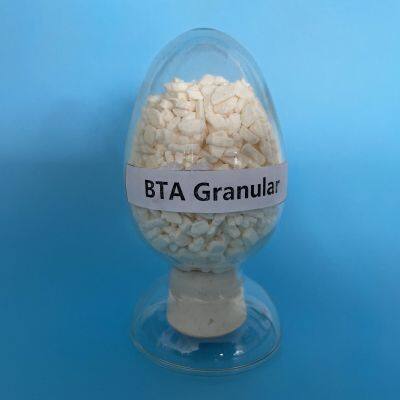
Hot Sell Corrosion Inhibitor 1,2,3-Benzotriazole /BTA-HOOCHEMTECUS$ 1MOQ: 1 Ton
-
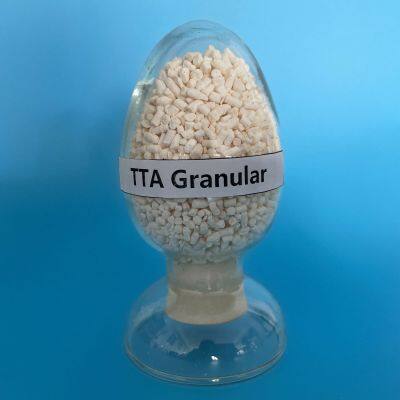
Hot Sell Corrosion Inhibitor TTA/Tolyltriazole Granular -HOOCHEMTECUS$ 1MOQ: 1 Ton
-
Snow Melting Calcium Chloride Flake/beads-HOOCHEMTECUS$ 1MOQ: 1 Ton
-
Snow Melting Snow Melting Graular-HOOCHEMTECUS$ 1MOQ: 1 Ton
-
Water-soluble Polymer Polyethylene Oxide /PEO-HOOCHEMTECUS$ 1MOQ: 1 Ton
-
Natural Thickening and Gelling Agent Sodium Alginate Food Grade /iindustry Grade-HOOCHEMTECUS$ 1MOQ: 1 Ton
-
Anionic Surfactant Sodium Lauryl Sulfates/SLS NEEDLE 95%-HOOCHEMTECUS$ 1MOQ: 1 Ton
-
Anionic Surfactant Sodium Lauryl Ether Sulphate/SLES 70%-HOOCHEMTECUS$ 1MOQ: 1 Metric Ton
-
Isothiazolinone CMIT MITNegotiableMOQ: 1 Metric Ton

-
Hot Sell Absorbent and Desiccant Activated Clay-HOOCHEMTECUS$ 1MOQ: 1 Metric Ton
-
Xanthan GumNegotiableMOQ: 1 Metric Ton
-
Hot Sell Absorbent and Desiccant Silica Gel White/orange/blue-HOOCHEMTECUS$ 1MOQ: 1 Metric Ton
-
Sodium Molybdate Export-HOOCHEMTECNegotiableMOQ: 1 Metric Ton
-
PBTCA/2-Phosphonobutane-1,2,4-Tricarboxylic AcidNegotiableMOQ: 1 Metric Ton