 Business License

The Key Role of Aluminum Sulphate in Water Treatment
Think about the clear tap water we use every day or the safe, clean water in swimming pools. Behind these everyday resources is a quiet but essential contributor: aluminum sulphate. This classic and highly effective water treatment chemical plays a key role in keeping our water safe.
So, what is aluminum sulphate used for in water treatment? Primarily, it acts as a coagulant. Through a process called coagulation, it helps remove suspended particles, colloidal impurities, and even some bacteria and organic matter from water.
Even as water treatment technology advances, this traditional chemical remains indispensable. But why does it continue to be so important? Let’s explore the science behind its lasting role and effectiveness.
The Basics of Aluminum Sulphate for Water Treatment
To fully understand the potential of aluminum sulphate in water treatment, let’s first look at its core properties.
The fundamental chemical formula for aluminum sulphate is Al₂(SO₄)₃. Industrially, it is commonly supplied as white or slightly off-white crystals, granules, or powder.
A key characteristic is its high aluminum sulphate solubility in water. Indeed, aluminum sulphate is highly soluble in water, and its solubility increases significantly with temperature.
For instance, at 20°C, about 36.4 grams can dissolve in 100 ml of water, making it easy to prepare treatment solutions quickly.
Once dissolved, the resulting aluminium sulphate solution is acidic, with a 5% solution typically having a pH below 3. This acidity, along with the aluminum ions released, provides the essential chemical basis for its role as a coagulant.
Ultimately, these core properties—its easy solubility and acidic solution—are exactly what make aluminum sulphate such an effective and reliable water treatment chemical. Next, we’ll explore how it uses these traits to purify water.
How Aluminum Sulphate Works as a Coagulant
The water-purifying power of aluminum sulphate mainly works through two key mechanisms: charge neutralization and sweep flocculation.
When aluminum sulphate (Al₂(SO₄)₃) is added to water, it quickly dissolves. It then reacts with the water to release positively charged aluminum ions.
These ions effectively neutralize the negative charge on the surface of tiny, suspended particles and colloids in the water. This process is called charge neutralization, and it destabilizes the particles, causing them to clump together.
Next, under the right pH conditions, these aluminum ions form insoluble aluminum hydroxide (Al(OH)₃) precipitate. As this gel-like precipitate forms and settles, it acts like a fine net. It entraps and collects the destabilized particles and even some dissolved organic matter. This creates visible, dense clumps called “floc.”
Finally, because this floc is heavy, it settles rapidly to the bottom. This allows the clear, purified water to be easily separated from the solid impurities.
This effective coagulation process makes it suitable for various applications. It’s why it is trusted for purifying drinking water, treating wastewater, and also for clarifying water in scenarios like using aluminum sulphate for pools and aluminum sulphate for ponds.
Now that we understand how it works, the next step is learning how to use it correctly. Let’s look at the practical application guidelines next.
Step-by-Step Guide: How to Use Aluminum Sulphate in Water Treatment
Using aluminum sulphate correctly is key to getting the best results in water treatment. Here is a detailed, step-by-step guide covering preparation, dosing, and follow-up, including a special note for pool clarification.
Step 1: Preparing the Solution
First, you need to prepare a uniform aluminum sulphate solution. Use clean tap water at a temperature between 5°C and 30°C. A good starting point is a mix of 1 part aluminum sulphate to 5 parts water by weight.
In a corrosion-resistant container (like a PVC tank), add water first. Then, with constant mechanical stirring, slowly add the aluminum sulphate powder or granules until they are completely dissolved, creating a clear solution.
Finally, dilute this stock solution with more water to a typical working concentration of 0.1% to 0.3%. Powder and granules usually dissolve faster than solid blocks.
Step 2: System Check & Dosing
Before adding the chemical, check your source water. Test its pH first. Aluminum sulphate works best within a pH range of 5.0 to 8.5. For soft water, the ideal pH is 5-6.6, while for hard water, it can be 7.2-7.8.
It’s wise to run a jar test to determine the exact dose needed. Typical doses range from 5–50 mg/L for wastewater, and up to 90–110 mg/L for phosphorus removal. When dosing, add the prepared solution continuously and evenly into the water with good mixing to ensure it disperses completely.
Step 3: Flocculation & Separation
Once added, aluminum sulphate works by charge neutralization and sweep flocculation to form “floc.” The water should then move to a flocculation basin with gentle stirring (around 100-200 rpm) to help the floc grow. Afterwards, let the water settle in a sedimentation tank. The heavy floc will sink, leaving clear water on top.
Step 4: Sludge Handling
The settled floc forms sludge that needs further treatment. This typically involves thickening and dewatering (e.g., using a filter press) to reduce its volume for final disposal or reuse.
Special Application: Pool Clarification
How to use aluminum sulphate in swimming pools is a common question. The process is slightly different:
Turn the pool pump off.
Evenly pour a diluted aluminum sulphate solution around the pool’s edge.
Let the water sit undisturbed for 6–12 hours. The floc will settle on the bottom.
Manually vacuum this sediment to waste, bypassing the filter system to avoid clogging.
In summary, following these steps for preparation, dosing, and handling is crucial for aluminum sulphate to work effectively. Proper operation ensures better water quality and helps control costs.
Now that we know how to use it correctly, we can better appreciate its wide range of applications, from purifying drinking water to treating industrial wastewater and maintaining swimming pools.
Aluminum Sulphate Versatile Applications in Water Treatment
Thanks to its effective coagulation and flocculation abilities, aluminum sulphate has become a key chemical in many water treatment scenarios.
Its use is broad and essential, spanning from the water we drink daily to industrial processes and recreational spaces. Its main applications fall into three areas: municipal drinking water treatment, industrial wastewater treatment, and swimming pool & pond maintenance.
1. Municipal Drinking Water Treatment
In municipal drinking water plants, aluminum sulphate serves as a primary coagulant. Here’s how it works: it dissolves and reacts to form positively charged aluminum hydroxide colloids.
These colloids effectively neutralize the negative charge on suspended particles and colloids in the water. Through a process called “sweep flocculation,” it also gathers together bacteria, microorganisms, organic matter, and tiny particles that cause cloudiness and color. This forms visible clumps called “floc.”
This floc is then removed through settling and filtration. The result is significantly clearer water with reduced odors, producing clean drinking water that meets national safety standards. This reliable process makes it a cornerstone for public water safety worldwide.
2. Industrial Wastewater Treatment
Industrial wastewater is often complex and challenging to treat. Aluminum sulphate is highly adaptable here. It shows particularly good results in removing color from dyeing wastewater, precipitating heavy metal ions, and enhancing phosphorus removal.
For general wastewater, it effectively removes suspended solids and some dissolved pollutants. In treating phosphorus-rich water, a higher dose (e.g., 90-110 mg/L) can be used.
The resulting floc efficiently adsorbs and precipitates phosphates. This helps prevent water eutrophication and allows industries to meet strict environmental discharge standards, sometimes even enabling water reuse.
3. Swimming Pool & Pond Maintenance
For pool and ornamental pond owners, aluminum sulphate is a highly effective clarifying agent. It’s great for reducing cloudiness, improving color, and controlling algae. It performs well even in challenging conditions like cold, low-turbidity water with a higher pH.
However, it’s important to note its effectiveness drops significantly in water below 10°C. Also, long-term use can increase sulfate levels in the water. Regular backwashing and adding fresh water is recommended. Always handle it with care due to its corrosive nature during application.
In summary, aluminum sulphate plays a vital role across a wide spectrum of water treatment needs. Its efficiency and cost-effectiveness make it a preferred solution for tackling turbidity, color, microorganisms, and specific pollutants.
Choosing a high-quality product and following correct procedures for your specific application are key to achieving the best results.
Conclusion
In today’s world, where water quality standards are increasingly stringent, aluminum sulphate remains a vital, efficient, and cost-effective solution for water treatment. The success of any water treatment project and the mitigation of operational risks hinge on selecting compliant, high-quality products and a reliable aluminum sulphate supplier.
As a professional aluminum sulphate supplier, HOO CHEMTEC is committed to providing customers with consistently reliable products and prompt technical support. Should you have any specific requirements or questions, please do not hesitate to contact us for further information.
Recently Posted
-
Poly Aluminium Chloride (PAC) Procurement and Safety Guidelines
January 9, 2026High efficiency stems from high standards. Since Poly Aluminium Chloride (PAC) is a core water purification agent, its p Read More
 -
Crystal Clear Profits: UV-Stabilized SDIC Solutions for Superior Pool Clarity and Reduced Maintenanc
January 5, 2026In the demanding world of commercial aquatic management—from luxury resorts in the UAE to sprawling water parks in Southeast Asia— Read More

Contact Us
Recommended Products
-
 Surfactant Coconut Monoethanol Amide(CMEA)-HOOCHEMTECNegotiableMOQ: 10 Tons
 -
Surfactant Sodium Alpha-olefin Sulfonate (AOS) Powder-HOO CHEMTECNegotiableMOQ: 1 Ton
-
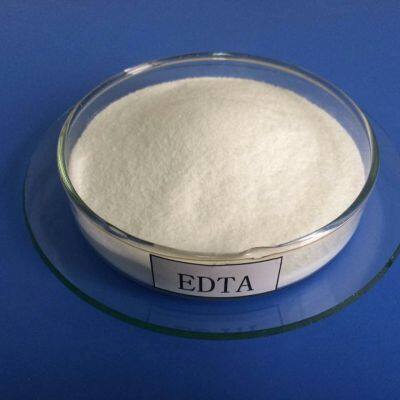
Chelating Agent Ethylenediaminetetraacetic Acid (EDTA) -HOOCHEMTECNegotiableMOQ: 10 Tons
-
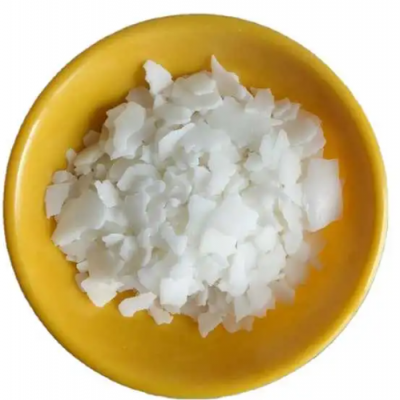
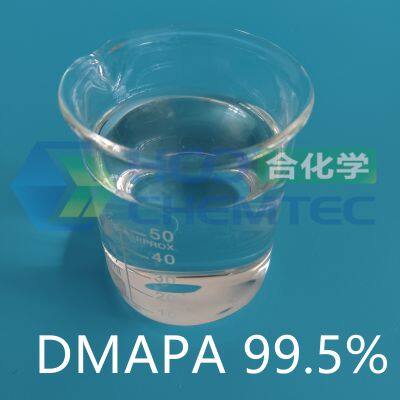
Surfactant Dimethylaminopropylamine (DMAPA) Flake-HOOCHEMTECNegotiableMOQ: 10 Tons
-
Effective Coagulant Aluminum Chlorohydrate (ACH) -HOOCHEMTECNegotiableMOQ: 10 Tons
-
Snow Melting Potassium Acetate -HOOCHEMTECNegotiableMOQ: 10 Tons
-
Hot Sell Corrosion Inhibitor 1,2,3-Benzotriazole /BTA-HOOCHEMTECUS$ 1MOQ: 1 Ton
-
Hot Sell Corrosion Inhibitor TTA/Tolyltriazole Granular -HOOCHEMTECUS$ 1MOQ: 1 Ton
-
Snow Melting Calcium Chloride Flake/beads-HOOCHEMTECUS$ 1MOQ: 1 Ton
-
Snow Melting Snow Melting Graular-HOOCHEMTECUS$ 1MOQ: 1 Ton
-
Water-soluble Polymer Polyethylene Oxide /PEO-HOOCHEMTECUS$ 1MOQ: 1 Ton
-
Natural Thickening and Gelling Agent Sodium Alginate Food Grade /iindustry Grade-HOOCHEMTECUS$ 1MOQ: 1 Ton
-
Anionic Surfactant Sodium Lauryl Sulfates/SLS NEEDLE 95%-HOOCHEMTECUS$ 1MOQ: 1 Ton
-
Anionic Surfactant Sodium Lauryl Ether Sulphate/SLES 70%-HOOCHEMTECUS$ 1MOQ: 1 Metric Ton
-
Isothiazolinone CMIT MITNegotiableMOQ: 1 Metric Ton

-
Hot Sell Absorbent and Desiccant Activated Clay-HOOCHEMTECUS$ 1MOQ: 1 Metric Ton
-
Xanthan GumNegotiableMOQ: 1 Metric Ton
-
Hot Sell Absorbent and Desiccant Silica Gel White/orange/blue-HOOCHEMTECUS$ 1MOQ: 1 Metric Ton
-
Sodium Molybdate Export-HOOCHEMTECNegotiableMOQ: 1 Metric Ton
-
PBTCA/2-Phosphonobutane-1,2,4-Tricarboxylic AcidNegotiableMOQ: 1 Metric Ton