 Business License

The Formulator's Guide to 6 Essential Surfactants: SLES, SLS, LABSA & More
In the world of cleansing and foaming—from personal care to industrial applications—surfactants are the indispensable workhorses. For formulators, product developers, and procurement specialists, selecting the right surfactant is a critical decision that balances efficacy, mildness, cost, and market positioning.
This guide provides a focused overview of six of the most common and impactful surfactants in the industry: SLES, SLS, LABSA, CMEA, AOS, and CAB. Understanding their distinct profiles is key to building smarter, more effective formulations.
Core Mechanism: How Surfactants Work
All surfactants function based on their amphiphilic structure: a hydrophilic (water-loving) head and a hydrophobic (oil-loving) tail. This allows them to reduce surface tension, emulsify oils, and form micelles that trap and remove soil—a process central to detergency and foaming.
Profiles of Key Surfactants
1. Sodium Laureth Sulfate (SLES)
Type: Anionic
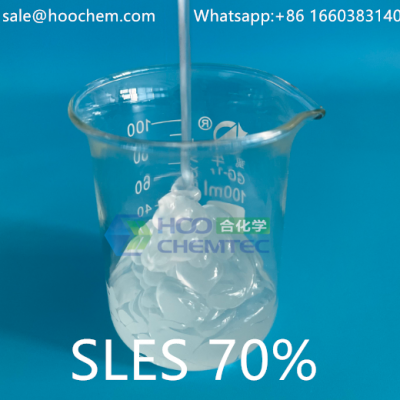
Profile: The industry standard for mass-market personal care. Offers a strong balance of high foam, effective cleansing, and relative mildness (especially compared to SLS). Acts as a primary cleanser and viscosity booster. Its production chain links to palm oil, a factor in sustainability assessments.
2. Sodium Lauryl Sulfate (SLS)
Type: Anionic
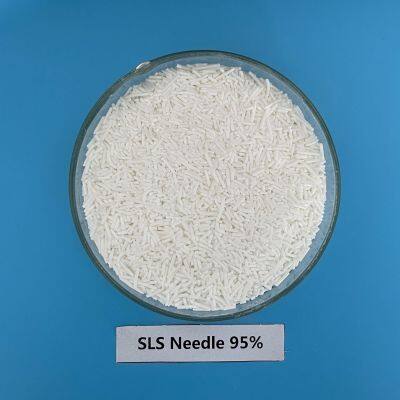
Profile: A powerful, efficient cleanser and degreaser known for its high, dense foam. Can be drying or irritating with prolonged contact, making it suitable for clarifying formulas or heavy-duty cleaning rather than daily-use mild products.
3. Linear Alkylbenzene Sulfonic Acid (LABSA)
Type: Anionic (often neutralized to LAS)
Profile: The cost-effective workhorse of household and industrial cleaning. Delivers very high detergency and is excellent against grease. It is typically too harsh for direct skin-contact personal care but is a cornerstone of laundry and dishwashing formulations.
4. Cocamide MEA (CMEA)
Type: Non-ionic
Profile: A functional booster rather than a primary cleanser. Primarily used to stabilize foam and increase viscosity, lending a richer, creamier texture to lather in shampoos and liquid soaps. Valued for its mildness and often natural derivation.
5. Sodium Alpha-Olefin Sulfonate (AOS)
Type: Anionic
Profile: A high-performance surfactant prized in mild formulations. Provides excellent, stable foam that performs well in hard water. Its gentler profile makes it a preferred choice for baby shampoos, sensitive-skin washes, and premium facial cleansers, though at a higher cost point.
6. Cocamidopropyl Betaine (CAB)
Type: Amphoteric
Profile: The go-to ingredient for boosting mildness. Extremely gentle on skin and eyes, it is a superb foam booster and viscosity modifier. Its key function in formulation is to reduce the irritation potential of anionic surfactants like SLES/SLS, making it ubiquitous in "no-tear" and mild wash products.
Formulation Synergy: Building the Optimal Blend
Surfactants are rarely used alone. Expert formulation relies on strategic synergy:
The Classic Duo (SLES + CAB): Combines cost-effective cleaning and foam (SLES) with enhanced mildness and a creamy lather feel (CAB).
Ultra-Mild Base (AOS + CAB): Creates a gentle yet effective cleansing system for sensitive skin.
Performance Booster (SLES/SLS + CMEA): Enhances foam density and product rheology.
Heavy-Duty Core (LABSA): Serves as the primary detergent in hard-surface and laundry cleaners.
Conclusion
There is no universal "best" surfactant. The art of formulation lies in selecting and combining these tools to meet specific product goals—whether prioritizing raw cleaning power, ultimate mildness, luxurious lather, or cost efficiency. Understanding the distinct role of each agent, from the robust cleansing of SLS to the gentle conditioning of CAB, is fundamental to developing successful and competitive products in the global market.
Recently Posted
-
Sodium Percarbonate vs. Chlorine Bleach: A Technical & Commercial Guide for Industrial Buyers
March 27, 2026he choice between Sodium Percarbonate and Chlorine Bleach in industrial and commercial formulation extends far beyond simple stain removal. It impacts product performance, regulatory compliance, worker safety, environmental liability, and brand positioning. This analysis breaks down the key differentiators for professionals responsible for sourcing chemicals for manufacturing, institutional cleaning, or water treatment applicRead More -
SLS vs SLES: Factory & Exporter Guide by Hoochemtec
March 23, 2026Key Chemical DifferencesSodium Lauryl Sulfate (SLS) is a straight‑chain alkyl sulfate made by direct sulfation of lauryl alcohol,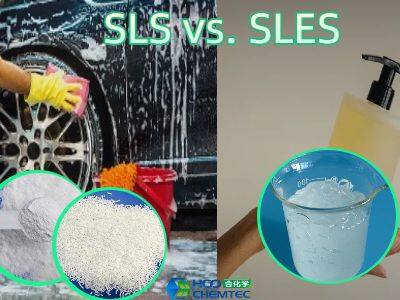 Read More
 -
Understanding the Rising Cost of SLES
March 18, 2026Sodium Lauryl Ether Sulphate (SLES) is a fundamental ingredient in shampoos, body washes, and household detergents. Recently, its Read More
 -
Why Glutaraldehyde Remains the Global "Gold Standard" in 2026
March 2, 2026In the rapidly evolving landscape of 2026, where global biosecurity and industrial hygiene have moved from peripheral concerns to Read More

Contact Us
Recommended Products
-
 Surfactant Coconut Monoethanol Amide(CMEA)-HOOCHEMTECNegotiableMOQ: 10 Tons
 -
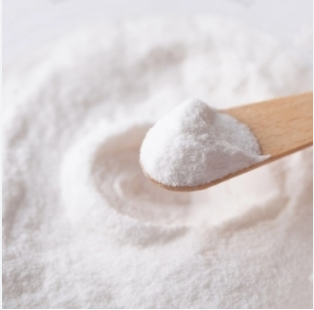
Surfactant Sodium Alpha-olefin Sulfonate (AOS) Powder-HOO CHEMTECNegotiableMOQ: 1 Ton
-
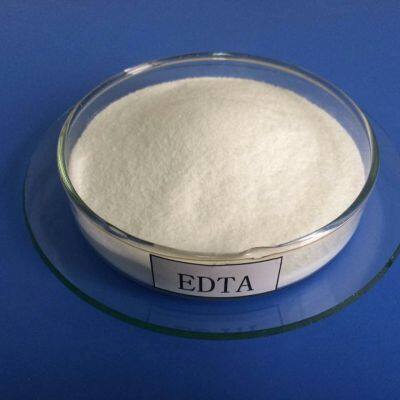
Chelating Agent Ethylenediaminetetraacetic Acid (EDTA) -HOOCHEMTECNegotiableMOQ: 10 Tons
-
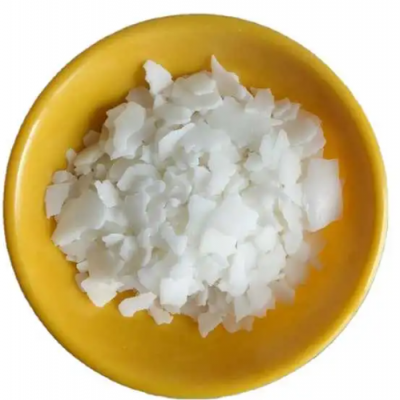
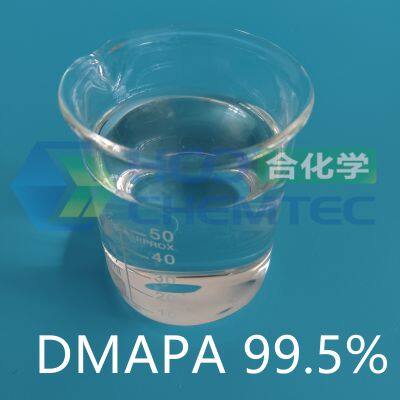
Surfactant Dimethylaminopropylamine (DMAPA) Flake-HOOCHEMTECNegotiableMOQ: 10 Tons
-
Effective Coagulant Aluminum Chlorohydrate (ACH) -HOOCHEMTECNegotiableMOQ: 10 Tons
-
Snow Melting Potassium Acetate -HOOCHEMTECNegotiableMOQ: 10 Tons
-
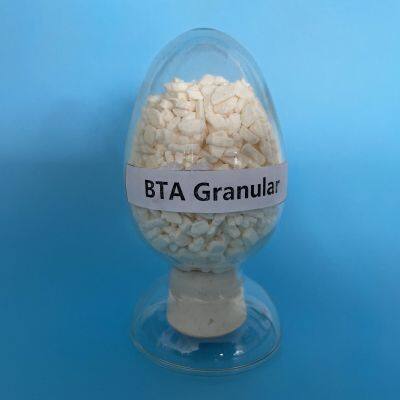
Hot Sell Corrosion Inhibitor 1,2,3-Benzotriazole /BTA-HOOCHEMTECUS$ 1MOQ: 1 Ton
-
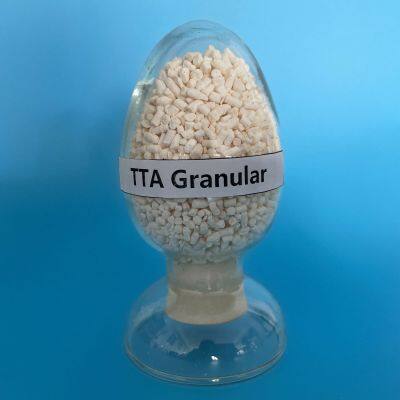
Hot Sell Corrosion Inhibitor TTA/Tolyltriazole Granular -HOOCHEMTECUS$ 1MOQ: 1 Ton
-
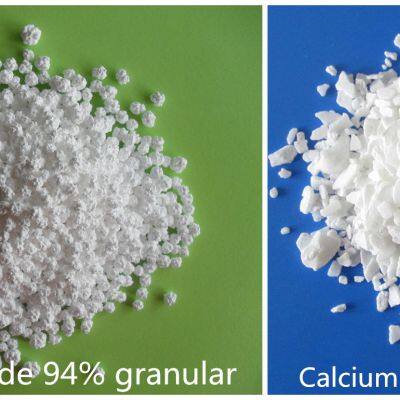
Snow Melting Calcium Chloride Flake/beads-HOOCHEMTECUS$ 1MOQ: 1 Ton
-
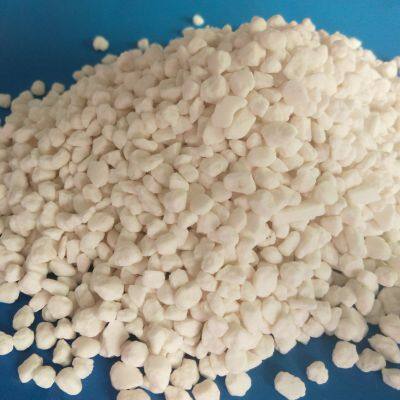
Snow Melting Snow Melting Graular-HOOCHEMTECUS$ 1MOQ: 1 Ton
-
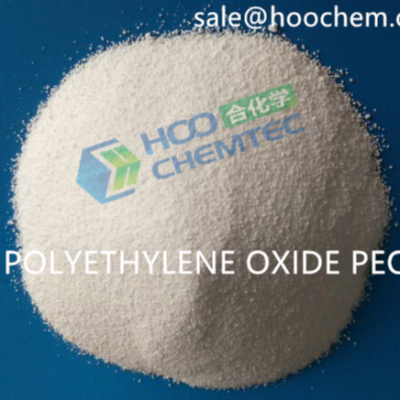
Water-soluble Polymer Polyethylene Oxide /PEO-HOOCHEMTECUS$ 1MOQ: 1 Ton
-
Natural Thickening and Gelling Agent Sodium Alginate Food Grade /iindustry Grade-HOOCHEMTECUS$ 1MOQ: 1 Ton
-
Anionic Surfactant Sodium Lauryl Sulfates/SLS NEEDLE 95%-HOOCHEMTECUS$ 1MOQ: 1 Ton
-
Anionic Surfactant Sodium Lauryl Ether Sulphate/SLES 70%-HOOCHEMTECUS$ 1MOQ: 1 Metric Ton
-
Isothiazolinone CMIT MITNegotiableMOQ: 1 Metric Ton

-
Hot Sell Absorbent and Desiccant Activated Clay-HOOCHEMTECUS$ 1MOQ: 1 Metric Ton
-
Xanthan GumNegotiableMOQ: 1 Metric Ton
-
Hot Sell Absorbent and Desiccant Silica Gel White/orange/blue-HOOCHEMTECUS$ 1MOQ: 1 Metric Ton
-
Sodium Molybdate Export-HOOCHEMTECNegotiableMOQ: 1 Metric Ton
-
PBTCA/2-Phosphonobutane-1,2,4-Tricarboxylic AcidNegotiableMOQ: 1 Metric Ton