 Business License

Sodium Percarbonate vs. Chlorine Bleach: A Technical & Commercial Guide for Industrial Buyers
he choice between Sodium Percarbonate and Chlorine Bleach in industrial and commercial formulation extends far beyond simple stain removal. It impacts product performance, regulatory compliance, worker safety, environmental liability, and brand positioning. This analysis breaks down the key differentiators for professionals responsible for sourcing chemicals for manufacturing, institutional cleaning, or water treatment applications.
Part 1: Technical Performance & Application Scope
Mechanism of Action:
Sodium Percarbonate: A solid adduct of sodium carbonate and hydrogen peroxide. In solution, it releases active oxygen, which acts as a gentle, non-chlorine oxidizer. It excels at breaking down organic stains (e.g., proteins, tannins) and brightening without attacking dye chromophores.
Chlorine Bleach (Sodium Hypochlorite): A liquid strong oxidizer that directly chlorinates and breaks down molecular bonds. It provides powerful, rapid whitening and disinfection but is non-selective, attacking many organic compounds, including dyes and some fabric fibers.
Key Performance Differentiators:
Material Compatibility: Sodium Percarbonate is safe for most colored textiles, hard surfaces, and sensitive equipment. Chlorine Bleach is corrosive to many metals, degrades certain polymers, and is strictly for whitening applications or disinfection of bleach-tolerant surfaces.
Formulation Stability & Synergy: Sodium Percarbonate is a stable solid, easier to ship, store, and incorporate into solid detergent formulations. It works synergistically with TAED (tetraacetylethylenediamine) activators in low-temperature laundry systems. Chlorine Bleach is a reactive liquid with a limited shelf-life, requiring careful storage and incompatible with many other chemicals (e.g., acids, ammonia).
Part 2: Operational, Safety & Regulatory Considerations
Supply Chain & Logistics:
Sodium Percarbonate: Dry, solid form offers significant advantages: lower shipping weight/volume costs, reduced risk of spills, longer shelf life, and no freezing/container corrosion concerns.
Chlorine Bleach: Liquid form incurs higher freight costs, requires specialized containment, and has a degrading active ingredient profile over time, demanding tighter inventory rotation.
Health, Safety & Environment (HSE):
Sodium Percarbonate: Classified as non-flammable, non-toxic oxidizer. It decomposes into water, oxygen, and soda ash, posing minimal environmental burden. Worker handling primarily requires dust control (PPE).
Chlorine Bleach: Presents multiple hazards: corrosive liquid, releases toxic chlorine gas if mixed with acids, and can form harmful adsorbable organic halide (AOX) byproducts in wastewater, leading to stricter environmental discharge permits and treatment costs.
Part 3: Commercial Analysis & Strategic Sourcing
Total Cost of Ownership (TCO):
While the per-kilogram price of Sodium Percarbonate may be higher than Chlorine Bleach, the TCO analysis often favors it due to:
Reduced logistics and storage costs.
Elimination of costs associated with material damage (ruined colored goods, corroded equipment).
Lower wastewater treatment or environmental compliance costs.
Reduced safety training and incident risk.
Market Trends & Positioning:
Demand for Sodium Percarbonate is driven by the global shift towards sustainable, non-chlorine, and color-safe cleaning products across Home & Institutional Cleaning (H&I) and Industrial & Institutional (I&I) sectors. It enables "eco-label" certifications and safer product positioning.
Conclusion
The decision is not about which chemical is universally "better," but which is optimal for the specific application:
Choose Sodium Percarbonate for: formulating color-safe laundry detergents & cleaners, eco-labeled products, mold remediation, pulp/paper brightening, and applications where material safety, supply chain simplicity, and environmental profile are priorities.
Choose Chlorine Bleach for: dedicated disinfection formulations, industrial wastewater oxidation (cyanide treatment), and wholesale whitening of specific materials where its aggressive power is required and its drawbacks are managed.
Partnering for Performance
As a manufacturer and global supplier, HOO CHEMTEC provides reliable, high-quality Sodium Percarbonate and technical support for industrial clients. We help businesses navigate this choice by providing consistent raw materials, formulation insights, and supply chain reliability to align with your performance and sustainability goals.
Ready to optimize your formulations and supply chain? Contact our team to discuss your specific requirements for Sodium Percarbonate and other performance chemicals.
enquiry@hoochemtec.com
info@hoochem.com
0086-371-67986516
+86 16696202111
https://www.hoochemtec.com/
Recently Posted
-
The Formulator's Guide to 6 Essential Surfactants: SLES, SLS, LABSA & More
April 3, 2026In the world of cleansing and foaming—from personal care to industrial applications—surfactants are the indispensable workhorses.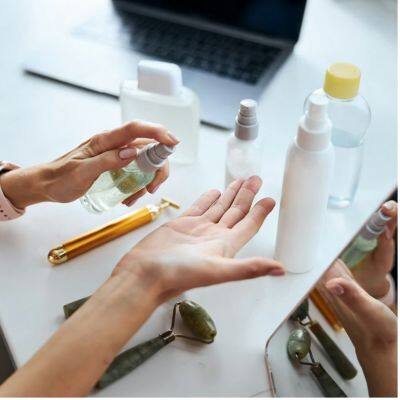 Read More
 -
SLS vs SLES: Factory & Exporter Guide by Hoochemtec
March 23, 2026Key Chemical DifferencesSodium Lauryl Sulfate (SLS) is a straight‑chain alkyl sulfate made by direct sulfation of lauryl alcohol,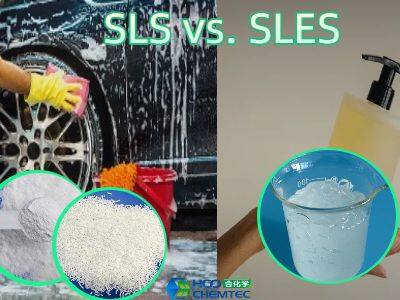 Read More
 -
Understanding the Rising Cost of SLES
March 18, 2026Sodium Lauryl Ether Sulphate (SLES) is a fundamental ingredient in shampoos, body washes, and household detergents. Recently, its Read More
 -
Why Glutaraldehyde Remains the Global "Gold Standard" in 2026
March 2, 2026In the rapidly evolving landscape of 2026, where global biosecurity and industrial hygiene have moved from peripheral concerns to Read More

Contact Us
Recommended Products
-
 Surfactant Coconut Monoethanol Amide(CMEA)-HOOCHEMTECNegotiableMOQ: 10 Tons
 -
Surfactant Sodium Alpha-olefin Sulfonate (AOS) Powder-HOO CHEMTECNegotiableMOQ: 1 Ton
-
Chelating Agent Ethylenediaminetetraacetic Acid (EDTA) -HOOCHEMTECNegotiableMOQ: 10 Tons
-
Surfactant Dimethylaminopropylamine (DMAPA) Flake-HOOCHEMTECNegotiableMOQ: 10 Tons
-
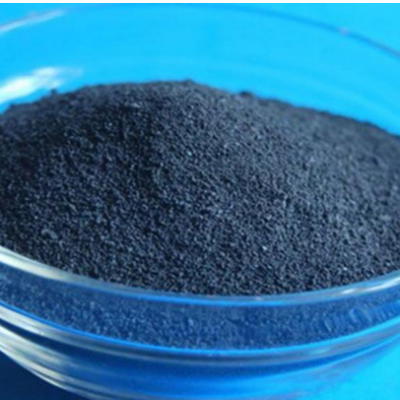
Effective Coagulant Aluminum Chlorohydrate (ACH) -HOOCHEMTECNegotiableMOQ: 10 Tons
-
Snow Melting Potassium Acetate -HOOCHEMTECNegotiableMOQ: 10 Tons
-
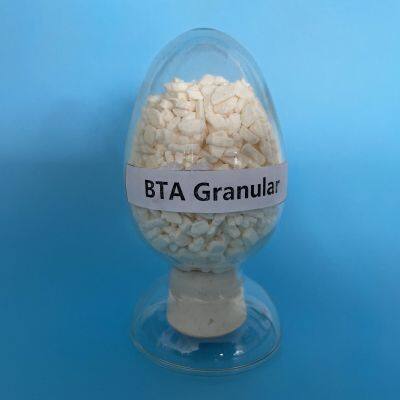
Hot Sell Corrosion Inhibitor 1,2,3-Benzotriazole /BTA-HOOCHEMTECUS$ 1MOQ: 1 Ton
-
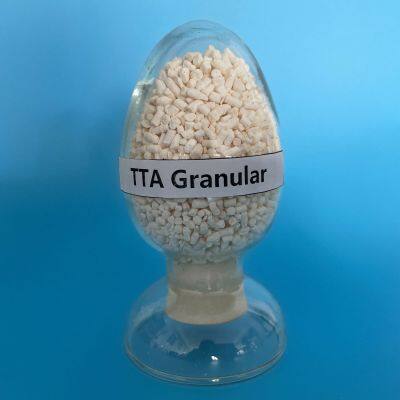
Hot Sell Corrosion Inhibitor TTA/Tolyltriazole Granular -HOOCHEMTECUS$ 1MOQ: 1 Ton
-
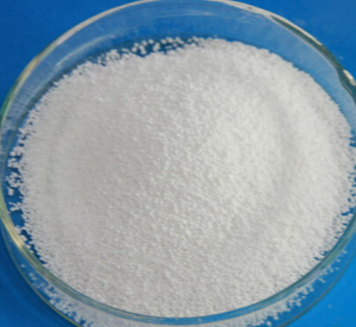
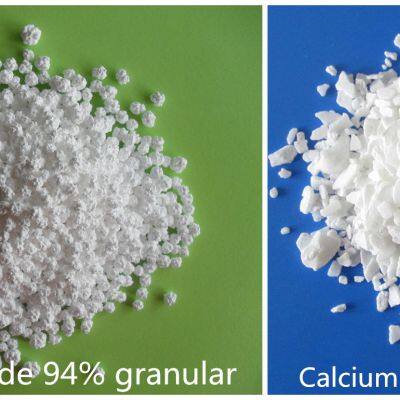
Snow Melting Calcium Chloride Flake/beads-HOOCHEMTECUS$ 1MOQ: 1 Ton
-
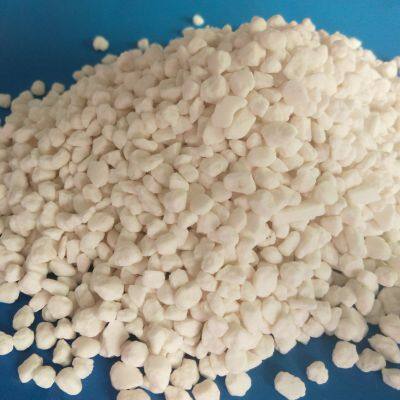
Snow Melting Snow Melting Graular-HOOCHEMTECUS$ 1MOQ: 1 Ton
-
Water-soluble Polymer Polyethylene Oxide /PEO-HOOCHEMTECUS$ 1MOQ: 1 Ton
-
Natural Thickening and Gelling Agent Sodium Alginate Food Grade /iindustry Grade-HOOCHEMTECUS$ 1MOQ: 1 Ton
-
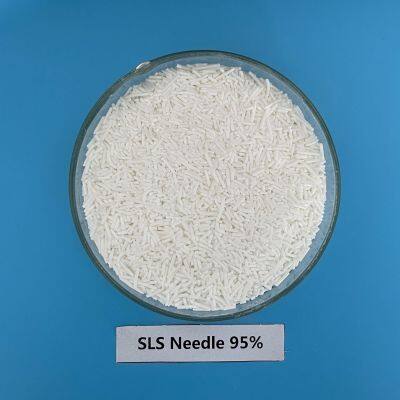
Anionic Surfactant Sodium Lauryl Sulfates/SLS NEEDLE 95%-HOOCHEMTECUS$ 1MOQ: 1 Ton
-
Anionic Surfactant Sodium Lauryl Ether Sulphate/SLES 70%-HOOCHEMTECUS$ 1MOQ: 1 Metric Ton
-
Isothiazolinone CMIT MITNegotiableMOQ: 1 Metric Ton

-
Hot Sell Absorbent and Desiccant Activated Clay-HOOCHEMTECUS$ 1MOQ: 1 Metric Ton
-
Xanthan GumNegotiableMOQ: 1 Metric Ton
-
Hot Sell Absorbent and Desiccant Silica Gel White/orange/blue-HOOCHEMTECUS$ 1MOQ: 1 Metric Ton
-
Sodium Molybdate Export-HOOCHEMTECNegotiableMOQ: 1 Metric Ton
-
PBTCA/2-Phosphonobutane-1,2,4-Tricarboxylic AcidNegotiableMOQ: 1 Metric Ton