 Business License

SLS vs SLES: Factory & Exporter Guide by Hoochemtec
Key Chemical Differences
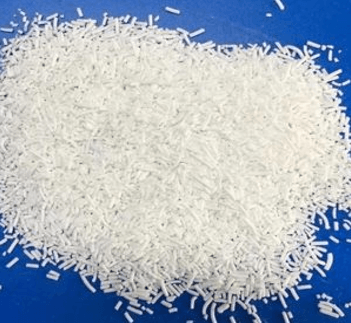
Sodium Lauryl Sulfate (SLS) is a straight‑chain alkyl sulfate made by direct sulfation of lauryl alcohol, so it delivers strong cleaning power but relatively higher irritation potential.
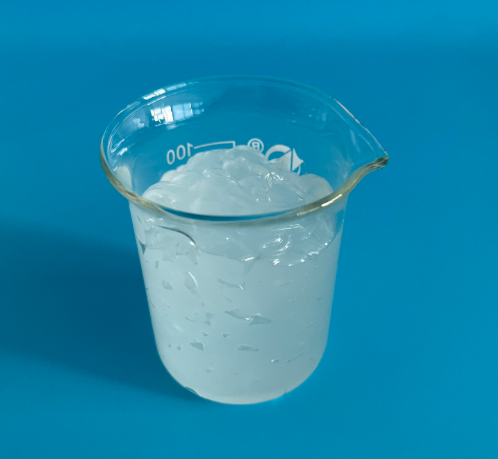
Sodium Lauryl Ether Sulfate (SLES) is the ethoxylated version of SLS: ethylene oxide is added to the lauryl alcohol chain before sulfation. This makes the molecule larger and more hydrophilic, giving SLES better water solubility and a milder, less irritating profile.
For industrial buyers, this means SLES is often preferred in products with frequent skin or environmental contact, while SLS suits high‑efficacy, rinse‑off, or heavy‑duty applications.
Foaming, Cleansing, and Performance
Both SLS and SLES deliver excellent foaming and detergency, but the foam quality differs.
SLS typically produces a dense, aggressive foam with strong degreasing power, making it suitable for industrial cleaners, laundry detergents, car washes, and some cosmetic products.
SLES generates a creamier, richer, and more stable lather, which is perceived as more “luxurious” in shampoos, body washes, and soft‑care detergents. It also performs better in hard water due to improved solubility.
Mildness, Safety, and Compliance
SLES is generally milder on skin and mucous membranes than SLS, which is why many personal‑care brands prefer SLES‑based formulas for shampoos, facial cleansers, and baby products.
A key safety concern with SLES is the potential trace formation of 1,4‑dioxane during ethoxylation, whereas SLS does not involve this step.
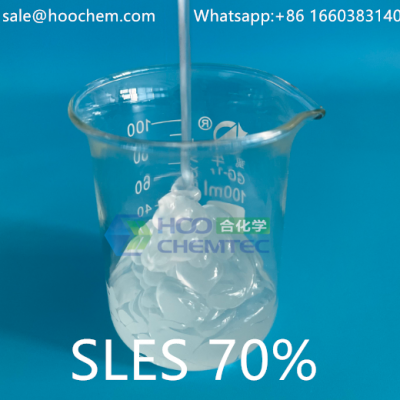
Hoochemtec addresses this by using advanced vacuum‑stripping technology to keep 1,4‑dioxane levels below 10–30 ppm, ensuring our SLES 70% meets global standards such as OEKO‑TEX and ZDHC for textile and consumer‑care exports.
Typical Applications for SLS vs SLES
| Surfactant | Typical Applications |
|---|---|
| SLS | Industrial cleaners, laundry detergents, car washes, some toothpastes, and low‑cost personal‑care products where high cleaning power is key. |
| SLES | Shampoos, body washes, hand soaps, baby products, soft‑care detergents, textile auxiliaries, and many “mild” formulations targeting sensitive skin or premium positioning. |
Why Buyers Choose Hoochemtec for SLS and SLES
Hoochemtec is a China‑based surfactant factory and exporter, supplying SLES 70% and related surfactants such as LABSA and polyacrylamide to B2B customers worldwide.
Our advantages include renewable‑feedstock‑based SLES, ultra‑low 1,4‑dioxane technology, strict batch‑to‑batch active‑matter control (around 70% active), and flexible logistics for OEM, private‑label, and contract‑manufacturing partners.
If you are a detergent manufacturer, cosmetic formulator, or textile chemical buyer, Hoochemtec can support you with competitive FOB pricing, technical data sheets, and COA‑backed quality assurance for SLS and SLES‑based formulations.
Recently Posted
-
The Formulator's Guide to 6 Essential Surfactants: SLES, SLS, LABSA & More
April 3, 2026In the world of cleansing and foaming—from personal care to industrial applications—surfactants are the indispensable workhorses.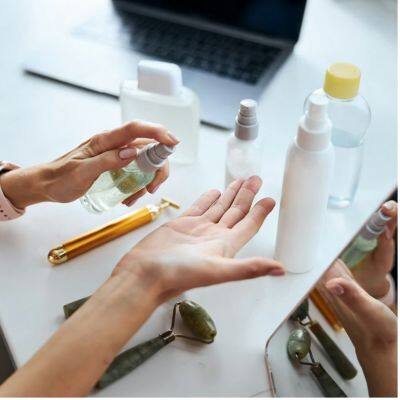 Read More
 -
Sodium Percarbonate vs. Chlorine Bleach: A Technical & Commercial Guide for Industrial Buyers
March 27, 2026he choice between Sodium Percarbonate and Chlorine Bleach in industrial and commercial formulation extends far beyond simple stain removal. It impacts product performance, regulatory compliance, worker safety, environmental liability, and brand positioning. This analysis breaks down the key differentiators for professionals responsible for sourcing chemicals for manufacturing, institutional cleaning, or water treatment applicRead More -
Understanding the Rising Cost of SLES
March 18, 2026Sodium Lauryl Ether Sulphate (SLES) is a fundamental ingredient in shampoos, body washes, and household detergents. Recently, its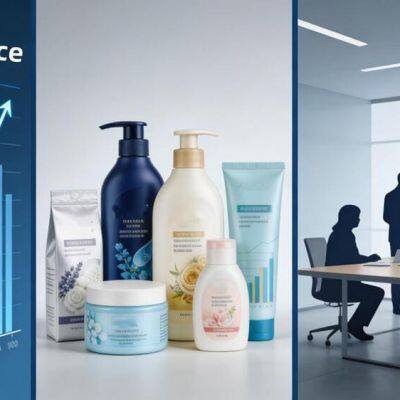 Read More
 -
Why Glutaraldehyde Remains the Global "Gold Standard" in 2026
March 2, 2026In the rapidly evolving landscape of 2026, where global biosecurity and industrial hygiene have moved from peripheral concerns to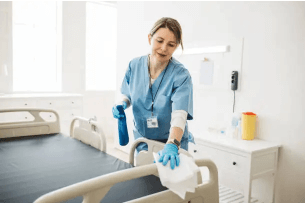 Read More

Contact Us
Recommended Products
-
 Surfactant Coconut Monoethanol Amide(CMEA)-HOOCHEMTECNegotiableMOQ: 10 Tons
 -
Surfactant Sodium Alpha-olefin Sulfonate (AOS) Powder-HOO CHEMTECNegotiableMOQ: 1 Ton
-
Chelating Agent Ethylenediaminetetraacetic Acid (EDTA) -HOOCHEMTECNegotiableMOQ: 10 Tons
-
Surfactant Dimethylaminopropylamine (DMAPA) Flake-HOOCHEMTECNegotiableMOQ: 10 Tons
-
Effective Coagulant Aluminum Chlorohydrate (ACH) -HOOCHEMTECNegotiableMOQ: 10 Tons
-
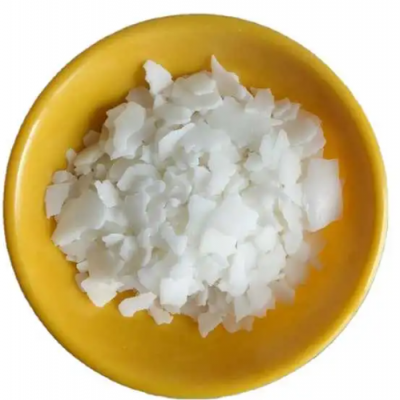
Snow Melting Potassium Acetate -HOOCHEMTECNegotiableMOQ: 10 Tons
-
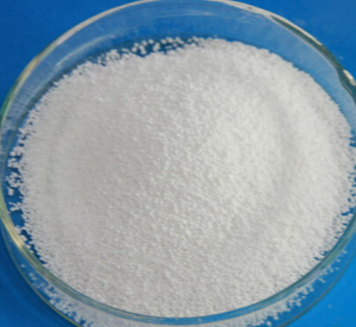
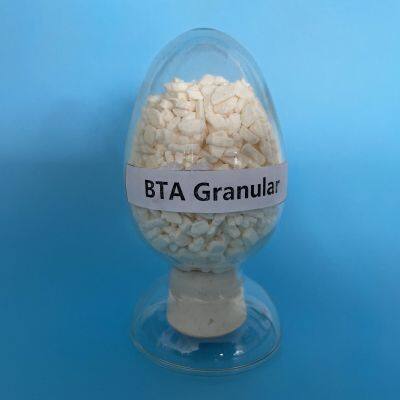
Hot Sell Corrosion Inhibitor 1,2,3-Benzotriazole /BTA-HOOCHEMTECUS$ 1MOQ: 1 Ton
-
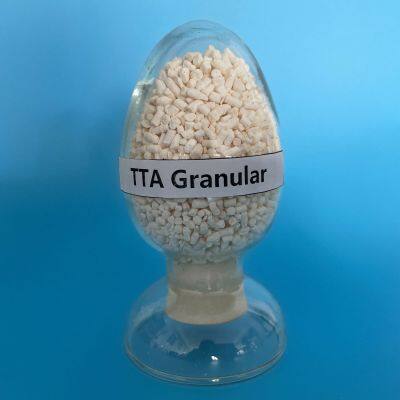
Hot Sell Corrosion Inhibitor TTA/Tolyltriazole Granular -HOOCHEMTECUS$ 1MOQ: 1 Ton
-
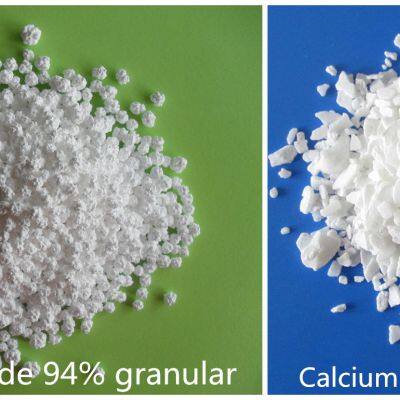
Snow Melting Calcium Chloride Flake/beads-HOOCHEMTECUS$ 1MOQ: 1 Ton
-
Snow Melting Snow Melting Graular-HOOCHEMTECUS$ 1MOQ: 1 Ton
-
Water-soluble Polymer Polyethylene Oxide /PEO-HOOCHEMTECUS$ 1MOQ: 1 Ton
-
Natural Thickening and Gelling Agent Sodium Alginate Food Grade /iindustry Grade-HOOCHEMTECUS$ 1MOQ: 1 Ton
-
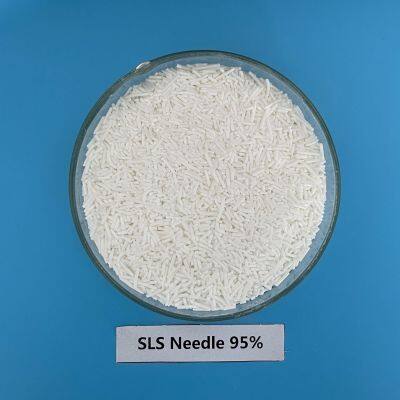
Anionic Surfactant Sodium Lauryl Sulfates/SLS NEEDLE 95%-HOOCHEMTECUS$ 1MOQ: 1 Ton
-
Anionic Surfactant Sodium Lauryl Ether Sulphate/SLES 70%-HOOCHEMTECUS$ 1MOQ: 1 Metric Ton
-
Isothiazolinone CMIT MITNegotiableMOQ: 1 Metric Ton

-
Hot Sell Absorbent and Desiccant Activated Clay-HOOCHEMTECUS$ 1MOQ: 1 Metric Ton
-
Xanthan GumNegotiableMOQ: 1 Metric Ton
-
Hot Sell Absorbent and Desiccant Silica Gel White/orange/blue-HOOCHEMTECUS$ 1MOQ: 1 Metric Ton
-
Sodium Molybdate Export-HOOCHEMTECNegotiableMOQ: 1 Metric Ton
-
PBTCA/2-Phosphonobutane-1,2,4-Tricarboxylic AcidNegotiableMOQ: 1 Metric Ton