 Business License

Understanding the Rising Cost of SLES
Sodium Lauryl Ether Sulphate (SLES) is a fundamental ingredient in shampoos, body washes, and household detergents. Recently, its price has experienced a significant and sustained increase, creating challenges for manufacturers globally. This upward trend is not a simple market fluctuation but the result of multiple, converging pressures on its supply chain and production costs.
The Core Drivers: A Two-Pillar Cost Structure
The price of SLES is primarily determined by two raw materials, which together form the bulk of its production cost.
Fatty Alcohol (The Agricultural Pillar): Sourced mainly from palm kernel or coconut oil, fatty alcohol constitutes 60-70% of SLES production cost. Its price is directly tied to the volatile global palm oil market.
Ethylene Oxide (The Energy Pillar): This petrochemical, derived from oil or natural gas, is essential for the ethoxylation process. Its price is highly sensitive to fluctuations in crude oil and natural gas markets.
Analyzing the Upstream Squeeze
Current market dynamics are exerting intense pressure on both cost pillars:
Palm Oil Market Volatility: Supply is constrained by factors like slowing production growth in Southeast Asia, aging plantations, and extreme weather. Demand, however, remains robust from the food, oleochemical, and—critically—biofuel sectors. Government policies, such as Indonesia's high biodiesel blending mandates, divert large volumes of palm oil into energy, reducing availability for chemical production and elevating prices.
High Energy and Feedstock Costs: Elevated crude oil and natural gas prices have increased the cost of producing ethylene oxide. Furthermore, the energy-intensive nature of chemical manufacturing adds significant overhead to the final SLES cost.
Logistical and Geopolitical Friction: Increased freight costs, shipping disruptions, and currency volatility contribute additional layers of expense and uncertainty to the global supply chain.
Industry Impact and Strategic Responses
The rising cost of SLES forces difficult choices for FMCG brands, squeezing margins and challenging procurement strategies. In response, industry players are adopting several approaches:
Strengthening Supplier Partnerships: Companies are moving towards deeper, strategic alliances with reliable manufacturers to gain better supply security and insights into cost structures, moving beyond transactional spot purchasing.
Exploring Formulation Flexibility: R&D teams are actively assessing the potential for partial substitution or optimization of SLES in some formulations, though this is a complex and lengthy process.
Adopting a Total Cost View: Savvy buyers are evaluating suppliers based on total cost of ownership—considering reliability, quality, and support—not just the unit price.
Market Outlook
In the short to medium term, SLES prices are expected to remain elevated and closely linked to palm oil and energy markets. While prices may stabilize from current peaks, a return to historically low levels is unlikely given the structural factors at play. The long-term trend points towards a greater focus on supply chain resilience, strategic sourcing, and continuous evaluation of sustainable and cost-effective surfactant solutions.
Conclusion
The current price environment for SLES is a clear example of how global commodity markets and geopolitics directly impact manufacturing. Successfully navigating this volatility requires a proactive, informed, and strategic approach to sourcing and partnership within the chemical supply chain.
Recently Posted
-
The Formulator's Guide to 6 Essential Surfactants: SLES, SLS, LABSA & More
April 3, 2026In the world of cleansing and foaming—from personal care to industrial applications—surfactants are the indispensable workhorses. Read More
 -
Sodium Percarbonate vs. Chlorine Bleach: A Technical & Commercial Guide for Industrial Buyers
March 27, 2026he choice between Sodium Percarbonate and Chlorine Bleach in industrial and commercial formulation extends far beyond simple stain removal. It impacts product performance, regulatory compliance, worker safety, environmental liability, and brand positioning. This analysis breaks down the key differentiators for professionals responsible for sourcing chemicals for manufacturing, institutional cleaning, or water treatment applicRead More -
SLS vs SLES: Factory & Exporter Guide by Hoochemtec
March 23, 2026Key Chemical DifferencesSodium Lauryl Sulfate (SLS) is a straight‑chain alkyl sulfate made by direct sulfation of lauryl alcohol,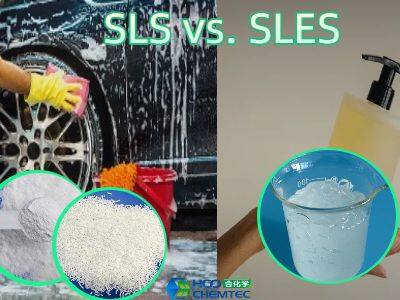 Read More
 -
Why Glutaraldehyde Remains the Global "Gold Standard" in 2026
March 2, 2026In the rapidly evolving landscape of 2026, where global biosecurity and industrial hygiene have moved from peripheral concerns to Read More

Contact Us
Recommended Products
-
 Surfactant Coconut Monoethanol Amide(CMEA)-HOOCHEMTECNegotiableMOQ: 10 Tons
 -
Surfactant Sodium Alpha-olefin Sulfonate (AOS) Powder-HOO CHEMTECNegotiableMOQ: 1 Ton
-
Chelating Agent Ethylenediaminetetraacetic Acid (EDTA) -HOOCHEMTECNegotiableMOQ: 10 Tons
-
Surfactant Dimethylaminopropylamine (DMAPA) Flake-HOOCHEMTECNegotiableMOQ: 10 Tons
-
Effective Coagulant Aluminum Chlorohydrate (ACH) -HOOCHEMTECNegotiableMOQ: 10 Tons
-
Snow Melting Potassium Acetate -HOOCHEMTECNegotiableMOQ: 10 Tons
-
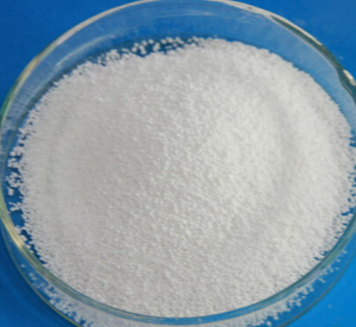
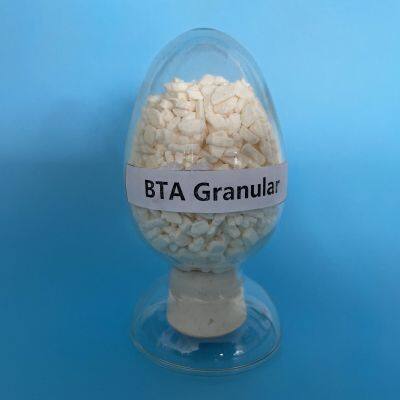
Hot Sell Corrosion Inhibitor 1,2,3-Benzotriazole /BTA-HOOCHEMTECUS$ 1MOQ: 1 Ton
-
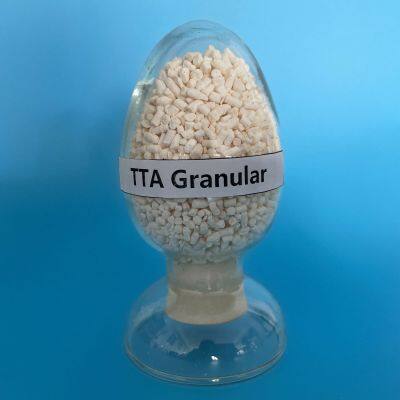
Hot Sell Corrosion Inhibitor TTA/Tolyltriazole Granular -HOOCHEMTECUS$ 1MOQ: 1 Ton
-
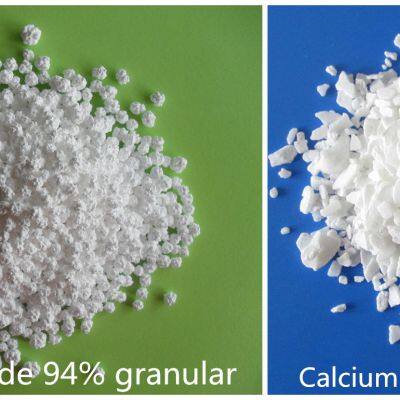
Snow Melting Calcium Chloride Flake/beads-HOOCHEMTECUS$ 1MOQ: 1 Ton
-
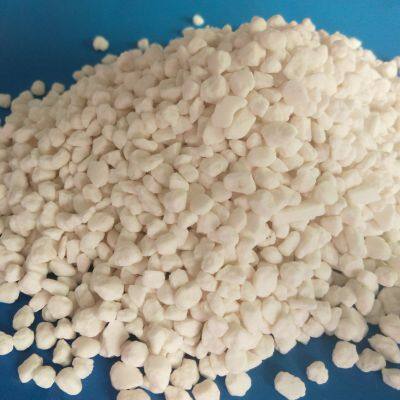
Snow Melting Snow Melting Graular-HOOCHEMTECUS$ 1MOQ: 1 Ton
-
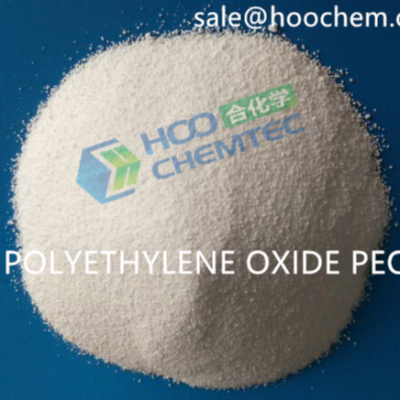
Water-soluble Polymer Polyethylene Oxide /PEO-HOOCHEMTECUS$ 1MOQ: 1 Ton
-
Natural Thickening and Gelling Agent Sodium Alginate Food Grade /iindustry Grade-HOOCHEMTECUS$ 1MOQ: 1 Ton
-
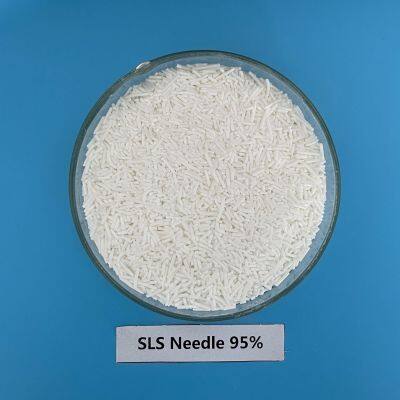
Anionic Surfactant Sodium Lauryl Sulfates/SLS NEEDLE 95%-HOOCHEMTECUS$ 1MOQ: 1 Ton
-
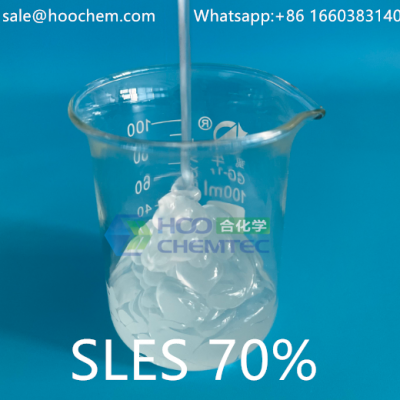
Anionic Surfactant Sodium Lauryl Ether Sulphate/SLES 70%-HOOCHEMTECUS$ 1MOQ: 1 Metric Ton
-
Isothiazolinone CMIT MITNegotiableMOQ: 1 Metric Ton

-
Hot Sell Absorbent and Desiccant Activated Clay-HOOCHEMTECUS$ 1MOQ: 1 Metric Ton
-
Xanthan GumNegotiableMOQ: 1 Metric Ton
-
Hot Sell Absorbent and Desiccant Silica Gel White/orange/blue-HOOCHEMTECUS$ 1MOQ: 1 Metric Ton
-
Sodium Molybdate Export-HOOCHEMTECNegotiableMOQ: 1 Metric Ton
-
PBTCA/2-Phosphonobutane-1,2,4-Tricarboxylic AcidNegotiableMOQ: 1 Metric Ton